


Your Journey, Our Expertise...
Menu

Panch Pokhari Trek Overview 10 days

10 Days • easy • Best season: march-may,octomber december
Panch Pokhari Trek Overview 10 days

Overview

Nepal Voyage Treks

Website: www.nepalvoyagetreks.com

Panch Pokhari Trek Overview

The Panch Pokhari Trek is one of Nepal's most rewarding and culturally rich trekking adventures, offering an unforgettable journey into the pristine wilderness of the Jugal Himal Range in Sindhupalchok District, northeast of Kathmandu. Named after the Five Sacred Alpine Lakes, Panch Pokhari is an important pilgrimage destination for both Hindus and Buddhists and is renowned for its peaceful atmosphere, spectacular mountain scenery, and untouched natural beauty. Unlike the more crowded trekking routes of Everest and Annapurna, this hidden Himalayan trail provides travelers with an authentic experience where traditional mountain villages, ancient monasteries, dense forests, alpine meadows, and crystal-clear glacial lakes combine to create one of Nepal's finest trekking destinations.

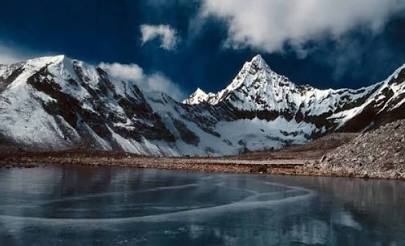
Beginning with a scenic drive from Kathmandu, the trail gradually ascends through beautiful Tamang and Sherpa villages, where visitors experience genuine Himalayan hospitality and centuries-old traditions. Along the way, trekkers pass colorful prayer flags, Buddhist stupas, stone houses, terraced farms, and peaceful mountain monasteries before entering magnificent forests filled with rhododendron, pine, oak, juniper, and bamboo. As the elevation increases, the forests slowly give way to open alpine grasslands and dramatic rocky landscapes, eventually leading to the breathtaking Panch Pokhari Lakes at an elevation of approximately 4,100 meters. The sparkling turquoise lakes are surrounded by towering Himalayan peaks and provide one of the most spectacular panoramic viewpoints in eastern Nepal.

The Panch Pokhari Trek is perfectly suited for trekkers seeking moderate adventure without technical climbing. Although the journey reaches over 4,000 meters, the gradual ascent allows proper acclimatization while rewarding visitors each day with increasingly spectacular mountain views. Throughout the trek, travelers enjoy magnificent panoramas of Dorje Lakpa (6,966 m), Jugal Himal, Madiya Himal, Phurbi Chhyachu, Gaurishankar, Langtang Himal, Rolwaling Himal, and, on exceptionally clear days, even parts of the Ganesh Himal Range. Sunrise and sunset over these snow-covered peaks create unforgettable memories and provide excellent opportunities for landscape photography.

The Panch Pokhari region is equally famous for its remarkable biodiversity. Trekking through one of Nepal's ecologically rich mountain environments, visitors walk beneath towering rhododendron forests that bloom spectacularly during spring, while pine, oak, Himalayan birch, and juniper dominate the higher elevations. Wildlife enthusiasts may encounter the colorful Himalayan Monal (Nepal's national bird), musk deer, Himalayan griffon vultures, pheasants, langur monkeys, and many species of alpine birds. Although rarely seen, Himalayan black bears, red foxes, and other wildlife inhabit the surrounding forests, making the region an important conservation area.

The trail itself offers a fascinating variety of terrain, beginning with comfortable roads from Kathmandu before changing into traditional stone pathways through farming villages. As trekkers continue higher into the mountains, the route passes peaceful forest trails, gentle ridgelines, alpine meadows, glacial streams, suspension bridges, and rocky mountain paths. While most sections are well-established and suitable for anyone with reasonable fitness, the final approach to Panch Pokhari becomes steeper and more rugged, rewarding every step with extraordinary Himalayan scenery. During spring and autumn, the trail remains dry and comfortable, while winter may bring snow around the lakes and monsoon creates lush green landscapes with occasional muddy sections.

Accommodation throughout the trek consists primarily of comfortable local tea houses and community lodges in lower villages, providing warm hospitality, simple yet clean rooms, and freshly prepared traditional meals. At higher elevations, accommodation becomes more basic, allowing visitors to experience authentic mountain life while enjoying the peaceful surroundings. Nepal Voyage Treks carefully selects the best available lodges to ensure guests receive comfortable overnight stays, hygienic meals, and excellent service throughout the journey. Depending on seasonal conditions and group requirements, camping arrangements can also be organized to provide a more adventurous Himalayan experience.

Transportation for the Panch Pokhari Trek is arranged according to the size of each group, ensuring maximum comfort and safety. Nepal Voyage Treks provides airport transfers from Tribhuvan International Airport using private tourist vehicles. For one or two travelers, a comfortable private car is recommended. Small groups of three to five guests generally travel by private four-wheel-drive jeep or SUV, while groups of six to twelve people enjoy spacious Tourist Hiace Vans. Larger groups travel by Tourist Mini Bus or Deluxe Tourist Coach equipped with comfortable seating and experienced professional drivers familiar with Nepal's mountain roads. The scenic drive from Kathmandu to the trek's starting point offers beautiful views of green hills, traditional villages, rivers, waterfalls, and cultivated farmland, providing a wonderful introduction to Nepal's diverse landscapes before the trekking adventure begins.

The Panch Pokhari Trek is not only a remarkable journey through Nepal's magnificent Himalayan wilderness but also an enriching cultural experience. Guests have the opportunity to interact with friendly local communities, learn about traditional Tamang and Sherpa lifestyles, visit ancient monasteries, observe Buddhist prayer ceremonies, and experience the genuine hospitality that Nepal is famous for around the world. Every step of the journey reflects the perfect harmony between nature, culture, and spirituality, making Panch Pokhari one of the country's most inspiring trekking destinations.

At Nepal Voyage Treks, the safety and comfort of every guest remain our highest priority. All treks are led by experienced, government-licensed English-speaking trekking guides who possess extensive knowledge of the local culture, mountain environment, first aid, and high-altitude safety. Professional porters assist with luggage, allowing trekkers to enjoy the journey comfortably while supporting the livelihoods of local communities. Before every departure, our guides provide a comprehensive trek briefing covering altitude awareness, weather conditions, daily walking schedules, equipment recommendations, environmental conservation, and responsible travel practices. Throughout the journey, our team continuously monitors each guest's health and well-being to ensure a safe, enjoyable, and unforgettable Himalayan adventure.

The Panch Pokhari Trek represents the perfect combination of breathtaking mountain scenery, sacred pilgrimage sites, authentic Himalayan culture, peaceful trekking trails, and exceptional hospitality. Whether travelers are seeking spiritual inspiration, outstanding photography opportunities, or simply a quiet escape into Nepal's untouched mountains, this remarkable journey offers an unforgettable experience that will remain in their hearts long after returning home. Nepal Voyage Treks proudly welcomes adventurers from around the world to discover the timeless beauty of Panch Pokhari and experience one of Nepal's hidden Himalayan treasures through our professional service, experienced local team, and commitment to creating memories that last a lifetime.

Panch Pokhari Trek Overview 10 days

Trekking & Hiking Adventure

Duration 10
Grade Easy
Meal B L D
Group Size 1-30
Accomodation Lodge
Best Season March-may,octomber december
Start/End Ktm to ktm
Max Altitude 4100
Activity Trekking
Day 1 — Arrival in Kathmandu (1,400 m)
Ups ↑ +00 m
Down ↓ -00 m
Elevation 1400 m
Distance ⟺ 8km

Arrival in Kathmandu (1,400 m)

Welcome to Nepal – Arrival at Tribhuvan International Airport


https://images.openai.com/static-rsc-4/WaxBIcbXyscEJeBh1y3tt-_f4RA3ykNB4B8vDB16eARyFN1PxJ0t2vseRtS4DQq2O3GkQp9cxJJUX2aE520QAhUcHi8TF8dNtwJnCu534zFLK7tppKVWRx3t2NjeK5T9sGVQ8fNW8tnmyUxygBbIlbPJPmv5TNJsQMV345qh-qfG56zasgHjTqSEWSOR9FHX?purpose=fullsize


https://images.openai.com/static-rsc-4/vDbevvHcGbnJ52lUT66ZO2Ix3kvoD68MiEVmWSLmzHG5Lrp85FUCb1Fk_4Bv6Ck81JAfAnLnmnPKxoZI4aGhCn16XfnISmaQAOrffh_9g31K7rJXFkDZubniD_5UihXhwVu2iJAfeBSubNY30Ig5kBhbGwJN_z2LeyP1tEdDr2baIU88J1k6jrhjd_j3U9nn?purpose=fullsize


https://images.openai.com/static-rsc-4/NUmqas5wR-xlX9BAp9-AyEuc_HNrzzwFmcFzrsPUkyS_0hapNGE4zIwVkQCMGljplOE_fEaIPMOuBYAIY0f1CBf1aOgIgxML7dQmN62Y2uylydanhfoeeTcgW39R3Njrf6lFVFD-cllGAsKL43xtGNyVU8ANj2uj6Ff8pnRV19MpAfCkvwYMOM5QLJdzHjEW?purpose=fullsize

5

Day 1: Arrival in Kathmandu (1,400 m)

After landing at Tribhuvan International Airport (TIA) in Kathmandu, your unforgettable Himalayan adventure with Nepal Voyage Treks officially begins. As you exit the international arrival terminal, our professional English-speaking representative will warmly welcome you with a traditional Nepali greeting and assist you with your luggage. From the airport, you will be transferred in a comfortable private tourist vehicle to your carefully selected hotel in the vibrant tourist district of Thamel. The short drive introduces visitors to Nepal's fascinating blend of ancient temples, colorful prayer flags, bustling local markets, and lively city streets, providing the first glimpse of the country's rich culture and warm hospitality.

After arriving at the hotel, guests complete the check-in process and have time to relax after their international journey. Comfortable rooms with private bathrooms, hot showers, Wi-Fi, and modern amenities provide the perfect place to rest before beginning the trek. Depending on your arrival time, you may enjoy a leisurely walk around Thamel, one of Kathmandu's most famous neighborhoods, where hundreds of trekking shops, cafés, restaurants, handicraft stores, and traditional souvenir markets create a unique and welcoming atmosphere.

Later in the afternoon, your experienced trekking guide will conduct a comprehensive trek briefing. During this meeting, every aspect of the Panch Pokhari Trek will be explained, including transportation, accommodation, daily walking distances, altitude gain, weather conditions, safety procedures, responsible trekking practices, and the use of trekking equipment. Our team will carefully check your gear and assist with renting or purchasing any missing items to ensure you are fully prepared for the adventure ahead.

In the evening, enjoy a delicious welcome dinner at a traditional Nepali restaurant where you can sample authentic local cuisine such as Dal Bhat, Momo dumplings, and seasonal specialties while experiencing live cultural music and dance performances. This relaxing evening offers an excellent opportunity to meet your guide, learn about Nepal's mountain culture, and prepare for the exciting days ahead.

Nepal Voyage Treks is committed to providing exceptional service from the very first day, ensuring every guest feels comfortable, informed, and excited before beginning the journey to the sacred lakes of Panch Pokhari.


Trek Information

Starting Elevation: 1,400 m

Destination: Kathmandu (Thamel)

Driving Distance: Approximately 6 km

Driving Time: 20–30 minutes

Walking Time: Optional 1–2 hours around Thamel

Accommodation: Comfortable 3-Star Tourist Hotel

Meals: Welcome Dinner

Transportation:

  • Private Tourist Car (1–2 guests)
  • Private Jeep/SUV (3–5 guests)
  • Tourist Hiace Van (6–12 guests)
  • Tourist Mini Bus (13–20 guests)
  • Deluxe Tourist Coach (larger groups)

Difficulty: Easy


Flora & Fauna

Although this is an arrival day in Kathmandu rather than a trekking day, visitors may notice ornamental gardens around hotels and public areas featuring flowering plants such as bougainvillea, jacaranda, and seasonal blossoms. Urban birdlife includes pigeons, crows, mynas, and sparrows, offering a gentle introduction to Nepal's natural environment.


Mountain Views

On clear days, guests may enjoy distant views of the Langtang Himalayan Range and surrounding green hills during the drive between the airport and Thamel.


Trail Conditions

No trekking today. Guests travel by comfortable paved roads from the airport to the hotel. Walking around Thamel is easy along busy streets and pedestrian lanes.


Today's Highlights

  • Warm welcome by Nepal Voyage Treks at Tribhuvan International Airport.
  • Comfortable private transfer to your hotel.
  • Free time to explore Thamel.
  • Professional trek briefing by your licensed guide.
  • Traditional Nepali welcome dinner.
  • Final preparation for the Panch Pokhari Trek.
Accomodation: hotel
Meals: B/L/D
Duration: 30m
Day 2 — Kathmandu (1,400 m) → Chautara (1,450 m) → Bhotang (1,800 m)
Ups ↑ +400 m m
Elevation 1800 m
Distance ⟺ Approximately 135 km

Kathmandu (1,400 m) → Chautara (1,450 m) → Bhotang (1,800 m)

Scenic Drive to the Gateway of the Sacred Panch Pokhari Trek

https://images.openai.com/static-rsc-4/XSrxowxoFB3JMGwYZD8jI7DHYbzKZsa97psk6ib31MXpT74OYgsVXAxtuj3Us42DEx5yNuH0nS42FkZe35_PflEOGhipgLpV8cMZFmp-ACzIqNTZEQP64XQcm_9_mzB4x9nMZgNV0khUps84W_NYqWXzx7t2L7uzOHk7NWZiUmYMD_X5skX9_EmSCOQwXYzl?purpose=fullsize

https://images.openai.com/static-rsc-4/VIYPTccvVb5EniZD-tJy74WoBw2aWPLvKipV3OT_OX_aYzcbcQNS2IG2ONgi0ObrRP1P1S12uTofg1fOFcPNgnkIaHWNbUS53gmV4w_jpBfM_IgsRwrSINMD6GRyoeyuE1h3GAVfNJEUEl2NaL5hi4U_4uU3ET1rVc2GMBmgyBnzp4dqCN1JcSHJAC9t1-xP?purpose=fullsize

https://images.openai.com/static-rsc-4/xTaX6gAk-W4Rwp1cPOi16YoUI2hzr1P_FhqC3SzYUTkVXsBOggkl7t9jUVbMEx8HayAC6792fc0v-fgGLNWOWW6rp1Hbb0XyjAB6EW0SRrPCJTXrdISeQfkfISVocmzUocBQ9Qnfc2N-4uz6cDs99j1Jpi8fvibgKSah2e02TbwjyPatnjPbumikxIXo9mRR?purpose=fullsize

4

Overview

Today marks the beginning of your journey from the bustling Kathmandu Valley into the peaceful hills of Sindhupalchok District, home to the sacred Panch Pokhari Lakes. Leaving the capital behind, you travel through beautiful countryside where green terraced fields, traditional villages, flowing rivers, dense forests, and distant Himalayan peaks create unforgettable scenery. This scenic drive introduces travelers to Nepal's diverse landscapes and rich cultural heritage before the trekking adventure begins.

After an early breakfast at your hotel, your guide from Nepal Voyage Treks will meet you in the hotel lobby. Your luggage will be carefully loaded into your private tourist vehicle, and the drive starts along the Arniko Highway before continuing toward Chautara and Bhotang. Throughout the journey, your guide shares information about local culture, history, agriculture, mountain life, and the trekking route ahead.

The first section of the drive passes through lively towns and villages before gradually entering peaceful countryside. Terraced rice fields, millet farms, cardamom plantations, and fruit orchards cover the hillsides. Local farmers can often be seen working in the fields using traditional methods that have been practiced for generations. Colorful Buddhist prayer flags, small temples, and village monasteries reflect the spiritual traditions of the Tamang and Sherpa communities who live in this region.

As the road climbs higher, breathtaking views of the Jugal Himal Range begin to appear. On clear days, the snow-covered summit of Dorje Lakpa (6,966 m) rises dramatically above the surrounding green hills, offering the first true Himalayan panorama of the journey.

After reaching Chautara, the district headquarters of Sindhupalchok, there is time for a short break to enjoy tea or coffee while overlooking the beautiful valley below. From Chautara, the road continues toward Bhotang, a quiet mountain village that serves as one of the main starting points for the Panch Pokhari Trek. The final section of the drive follows winding mountain roads through forests and traditional settlements before arriving at the lodge.

Upon arrival in Bhotang, guests check into a comfortable local tea house. After lunch or an afternoon rest, there is time to explore the village, meet local families, visit nearby monasteries, and experience authentic Tamang culture. Children often greet trekkers with warm smiles, while farmers continue their daily work surrounded by spectacular mountain scenery.

As evening falls, enjoy a freshly prepared dinner made with locally grown ingredients. The peaceful atmosphere, cool mountain air, and star-filled Himalayan sky provide the perfect beginning to your trekking adventure.


Trek Information

Starting Point

Kathmandu

Destination

Bhotang

Starting Elevation

1,400 m

Sleeping Elevation

1,800 m

Highest Elevation Today

1,800 m

Distance

Approximately 135 km

Driving Duration

6–7 Hours

Elevation Gain

+400 m

Elevation Loss

-0 m

Accommodation

Comfortable Local Tea House / Community Lodge

Meals Included

  • Breakfast
  • Lunch
  • Dinner

Transportation

Nepal Voyage Treks provides comfortable tourist transportation based on group size:

  • 🚗 Private Tourist Car: 1–2 Guests
  • 🚙 Private 4WD Jeep / SUV: 3–5 Guests
  • 🚐 Tourist Hiace Van: 6–12 Guests
  • 🚌 Tourist Mini Bus: 13–20 Guests
  • 🚍 Deluxe Tourist Coach: 21+ Guests

All vehicles are driven by experienced professional drivers familiar with Nepal's mountain roads, ensuring a safe and comfortable journey.


Road Conditions

Today's drive follows a combination of well-paved highways and mountain roads. The section from Kathmandu to Chautara is mostly paved, while the road toward Bhotang becomes narrower with winding mountain curves. During the monsoon season, some sections may be rough or muddy, making four-wheel-drive vehicles the preferred option. Nepal Voyage Treks carefully selects reliable transportation to ensure safety and comfort in all seasons.


Flora

The route passes through lush subtropical and temperate forests featuring:

  • Rhododendron
  • Himalayan Pine
  • Oak
  • Schima
  • Chestnut
  • Alder
  • Bamboo
  • Wild Orchids (seasonal)

During spring (March–May), the hillsides are covered with blooming rhododendrons in shades of red, pink, and white, creating spectacular scenery.


Fauna

Wildlife commonly found in this region includes:

  • Himalayan Langur Monkey
  • Barking Deer
  • Himalayan Black Bear (rare)
  • Wild Boar
  • Himalayan Griffon Vulture
  • Eagle
  • Himalayan Bulbul
  • Woodpeckers
  • Cuckoos
  • Colorful Butterflies

Mountains Visible

On clear days, magnificent Himalayan views include:

  • Dorje Lakpa (6,966 m)
  • Jugal Himal
  • Phurbi Chhyachu
  • Madiya Himal
  • Langtang Himal
  • Beautiful green middle hills of Sindhupalchok

These mountains become even closer and more impressive during the following trekking days.


Accommodation

Tonight's accommodation is a traditional tea house or community lodge.

Facilities generally include:

  • Twin-sharing rooms
  • Comfortable mattresses
  • Warm blankets
  • Shared bathroom facilities
  • Cozy dining hall
  • Wood-burning stove (seasonal)
  • Fresh home-cooked meals
  • Friendly local hospitality

Electricity is usually available for charging electronic devices, although a small fee may apply.


Drinking Water

Guests can refill reusable water bottles with boiled or filtered water at the lodge. Nepal Voyage Treks encourages environmentally friendly travel by reducing the use of single-use plastic bottles. Water purification tablets or filters are recommended for extra safety.


Mobile Network & Internet

Mobile coverage is generally available in Chautara and Bhotang through Nepal Telecom (NTC) and Ncell, although the signal may become weaker in more remote areas. Wi-Fi may be available at some lodges but can be slow.


Weather

Spring (March–May):

  • Day: 15°C–25°C
  • Night: 8°C–12°C

Autumn (September–November):

  • Day: 12°C–22°C
  • Night: 5°C–10°C

The weather is usually pleasant, with excellent visibility for mountain views.


Safety Tips

  • Wear your seat belt whenever available.
  • Keep your camera and valuables secure during stops.
  • Stay hydrated throughout the journey.
  • Bring a light jacket, as temperatures become cooler in the evening.
  • Follow your guide's instructions during road travel and village visits.

Today's Highlights

  • Scenic drive through the beautiful hills of Sindhupalchok.
  • Spectacular terraced landscapes and rural Nepal.
  • First views of the Jugal Himal Range.
  • Traditional Tamang villages and local culture.
  • Comfortable tea house stay in Bhotang.
  • Fresh mountain air and peaceful surroundings.
  • Exciting preparation for tomorrow's first trekking day.

Nepal Voyage Treks Service Includes Today

  • Private tourist transportation
  • Experienced professional driver
  • Licensed English-speaking trekking guide
  • Breakfast, lunch, and dinner
  • Tea house accommodation
  • Drinking water support
  • 24-hour emergency assistance
  • Luggage transportation
Accomodation: lodge
Meals: B/L/D
Duration: Driving Duration: 6–7 hours
Day 3 — chautara or Bhotang (1,800 m) → Kami Kharka (2,845 m)
Ups ↑ +1,045 m m
Down ↓ -150 m
Elevation 2845 m
Distance ⟺ Approximately 12–14 km

Bhotang (1,800 m) → Kami Kharka (2,845 m)

First Full Trekking Day – Walking Through Tamang Villages, Rhododendron Forests and Himalayan Wilderness

Nepal Voyage Treks – Panch Pokhari Trek

https://images.openai.com/static-rsc-4/WeK9_x5V5TA_4qj1wRh7w7kBqUrgbGDzbf86ldtYebSZb2_rF6QRKMzRydhJ8JA2jYjc163HuPqt54842JTucm32I_Z2PCp9mwovMl1mC6y7mwXx-kkMGfGzFGZUpc936_l7ZIflgKtij_BZ5TW6u1wepzi6ZXNIVutCSoV4Aih5IW5On31GfwTZCNWKIem_?purpose=fullsize

https://images.openai.com/static-rsc-4/tebHV2-_JYhbYDOB831dw8HvYjwx1drGY7xu7RvRztosgEe59PB7ke-Z2eI1FM6O-phpWhFohPBan2FF2EkA1n1_zqIT_FExJJu2q-G3TRoSKR8J0GoXwi0aSK_c9AD2Mp96dbrj4YvyiNZqum1Ldu8YTxPWePZJQCU5FyG94v8z_yObB8NbpXHVhWAhdKqn?purpose=fullsize

https://images.openai.com/static-rsc-4/NsiVi9Ed9w2eEttiqRtaEMBxHu4G69Zed1717Lq5wRQTNOGS8YucCg2QLjWEtLVN4GwIQmMzKRehnVD7qeOpMYMH1ja5Ir3oXDFsM-N2cDZrMsW4F86oCCC8tAhMJawQN7LsN7Dowj-mU7abGmF9TzAbDl4C5PXcOdutqRrpq6tilJQS3d9_Y_c0DmgOFe3T?purpose=fullsize

4

Day Overview

After spending the night in the beautiful mountain village of Bhotang (1,800 m), today is the first real trekking day of your Panch Pokhari Trek. This day introduces you to the peaceful Himalayan environment, traditional Tamang culture, and beautiful natural landscapes of the Jugal Himal region.

After breakfast at the local lodge, we begin walking from Bhotang. The trail gradually leaves the village area and enters the quiet mountain forests. Compared with busy trekking routes like Everest Base Camp and Annapurna, the Panch Pokhari trail remains peaceful and less crowded, allowing visitors to experience authentic Nepal and the untouched beauty of the Himalayas.

The trekking route climbs steadily through beautiful forests of rhododendron, pine, oak, and bamboo. During spring, the entire forest becomes colorful with blooming rhododendron flowers, Nepal's national flower. The sound of birds, flowing streams, and fresh mountain air creates a wonderful atmosphere throughout the journey.

As we continue higher, we pass small grazing areas used by local farmers. During certain seasons, shepherds bring cattle, goats, and other livestock to these high mountain pastures. These traditional grazing areas provide excellent opportunities for photography and cultural interaction.

The trail also passes through areas where local people collect medicinal herbs and forest products. Your experienced Nepal Voyage Treks guide will explain the importance of these plants and the relationship between Himalayan communities and their natural environment.

After several hours of walking, we reach Kami Kharka (2,845 m), a peaceful alpine pasture surrounded by forests and mountain landscapes. "Kharka" means a seasonal grazing meadow in Nepali, and this area has traditionally been used by local herders.

The evening at Kami Kharka is a beautiful Himalayan experience. Guests can relax, enjoy a warm meal, watch the sunset over the mountains, and prepare for the next day's journey toward higher elevations.


Trek Information

Route

Bhotang (1,800 m) → Kami Kharka (2,845 m)

Starting Elevation

1,800 m

Sleeping Elevation

2,845 m

Elevation Gain

+1,045 m

Elevation Loss

Minimal / approximately 50–100 m depending on exact trail

Trek Distance

Approximately 12–14 km

Walking Duration

6–7 hours

Trek Difficulty

Moderate

Accommodation

Local Tea House / Community Lodge / Camping (depending on season)

Meals Included

  • Breakfast
  • Lunch
  • Dinner

Detailed Trek Route Description

The morning begins with a gradual climb from Bhotang. The first section passes through farmland and traditional village paths where guests can observe the daily lifestyle of local mountain communities.

The trail then enters dense forest. The walking is peaceful, with many shaded sections making the journey comfortable even during warmer months. Several small streams cross the trail, providing refreshing rest points.

The middle section of the route becomes steeper as we gain altitude. The surrounding landscape slowly changes from agricultural land into Himalayan wilderness.

After reaching higher elevations, the forest opens into beautiful mountain meadows. From these viewpoints, trekkers can enjoy the first impressive views of the surrounding Himalayan peaks.

Finally, after approximately 6–7 hours of trekking, we arrive at Kami Kharka, where we spend the night.


Trail Conditions

Today's trail is a natural Himalayan trekking path.

The trail includes:

  • Forest walking trails
  • Stone steps
  • Rocky sections
  • Small streams
  • Mountain ridges
  • Grassland paths

The trail is not technically difficult, but the continuous uphill walking requires good physical fitness.

Seasonal Trail Conditions

Spring (March–May):

  • Dry and comfortable trails
  • Beautiful rhododendron flowers
  • Excellent trekking conditions

Autumn (September–November):

  • Clear skies
  • Best mountain views
  • Dry trails

Winter (December–February):

  • Cold temperatures
  • Possible snow at higher sections

Monsoon (June–August):

  • Green forests
  • Possible slippery and muddy trails

Flora (Plants and Forests)

The route passes through rich Himalayan forests.

Main vegetation:

🌲 Himalayan Pine
🌳 Oak Forest
🌺 Rhododendron
🎋 Bamboo
🌿 Juniper
🌱 Himalayan Birch
🌸 Wild Orchids (seasonal)
🌿 Medicinal Himalayan Herbs

The Panch Pokhari region is famous for its untouched forests and biodiversity.


Fauna (Wildlife)

Possible wildlife sightings:

🦌 Musk Deer
🐒 Himalayan Langur Monkey
🦅 Himalayan Griffon
🐦 Himalayan Monal (Danphe)
🦊 Red Fox
🦋 Colorful Butterflies
🦅 Eagles and Mountain Birds

The remote nature of this area provides a safe habitat for many Himalayan species.


Mountain Views

During clear weather, guests may see:

🏔 Dorje Lakpa – 6,966 m
🏔 Jugal Himal Range
🏔 Phurbi Chhyachu
🏔 Langtang Himal
🏔 Gaurishankar Himal (weather permitting)

The views become increasingly spectacular as the trek continues toward Panch Pokhari.


Accommodation at Kami Kharka

Tonight we stay in a simple mountain lodge or camping area.

Facilities:

  • Twin-sharing rooms (if lodge available)
  • Basic beds and blankets
  • Dining area
  • Local food preparation
  • Basic toilet facilities

Because Kami Kharka is a remote mountain location, facilities are simple compared with city hotels. However, the peaceful environment and Himalayan hospitality create a memorable experience.


Food During the Trek

Typical meals:

Breakfast

  • Tibetan bread
  • Eggs
  • Porridge
  • Tea / Coffee

Lunch

  • Dal Bhat
  • Noodles
  • Soup
  • Rice dishes

Dinner

  • Dal Bhat
  • Vegetables
  • Curry
  • Pasta or noodles

A traditional Nepali saying is:

"Dal Bhat Power – 24 Hour" because it provides excellent energy for trekking.


Drinking Water

Nepal Voyage Treks recommends:

  • Reusable water bottles
  • Filtered water
  • Boiled water from lodges
  • Water purification tablets

Guests should drink regularly because the altitude increases quickly.


Mobile Network & Charging

At Kami Kharka:

  • Mobile signal: Limited
  • Nepal Telecom: Sometimes available
  • Ncell: Weak or unavailable
  • Charging: May be available depending on lodge facilities

Power banks are highly recommended.


Safety and Altitude Information

Although 2,845 m is not extremely high, guests should begin adapting to mountain conditions.

Important:

  • Walk slowly
  • Drink enough water
  • Avoid alcohol
  • Eat nutritious meals
  • Inform the guide about any discomfort

Your Nepal Voyage Treks guide monitors every guest's condition throughout the trek.


Today's Highlights

✅ First full trekking day in the Himalayas
✅ Peaceful trail away from crowds
✅ Beautiful rhododendron and pine forests
✅ Authentic Tamang village culture
✅ Mountain streams and waterfalls
✅ First Himalayan mountain views
✅ Overnight stay in a peaceful alpine meadow


Nepal Voyage Treks Service Includes

✔ Licensed trekking guide
✔ Porter support
✔ Tea house/camping arrangement
✔ All meals during trekking
✔ Trekking permits
✔ Safety monitoring
✔ First aid support
✔ Environmental responsibility

Accomodation: guest house
Meals: B/L/D
Duration: 6–7 hours
Day 4 — Kami Kharka (2,845 m) → Nasimpati (3,700 m)
Ups ↑ +855 meters m
Elevation 3700 m
Distance ⟺ 9–10 kilometers

Kami Kharka (2,845 m) → Nasimpati (3,700 m)

Trekking Through Alpine Forests, High Mountain Pastures and the Gateway to Panch Pokhari

https://images.openai.com/static-rsc-4/kD-7I9LyjjE5O9XwGzzXMgrFF9LMQLUOOtBcnQtXvpjBWVsO-4F3-8MdGRLf57bjqe1TAnLXLV95h-QZvOunnAGWP2Uhx7lSJhMmh0gXcfKKsEmnIg1TvxiEQoJwy2IbNJzqDdo5vtCyXpcFwwweYSPh5aZsraUgNHoU7sumJA6dknsTACFKk6mkXVtvwqvn?purpose=fullsize

https://images.openai.com/static-rsc-4/dGsp0-naDxM9HOV6VDU7IB5DvuYdaoIK8XqzzuSELFBCQtiXNI042iU-AIH_5tLXJ_cfvWkvesncyOHwREVP0ouNtpUqmVoi6nTRk_rmUc3-5M-a_X_1IeZ9VTKYqao2oEbns4aTD16N9_gWWS6bk2UkRr__709WcIa_AiKijGlb2wMXJKpJj-iyPYsxW89y?purpose=fullsize

https://images.openai.com/static-rsc-4/pva-0rPjCQmkxs4F7oqPXrGRMLH4YkQMjjmpnLd1g9sLtLxW-pTk-AgzOOeAlk5nuAEHwyrqOIx6__VuFnkQ_rYen_u5XrKfBsDBUAMCzgyTrMnUNrlQmXgRPyUbVIqWqn3yMS0UXhBKrdXq0_xjx0z8VHpvcSve4aIcIo40XpI1TR79W0d4Dnyru3MGWC11?purpose=fullsize


Day Overview

Today is one of the most scenic and important days of the Panch Pokhari Trek. Leaving behind the peaceful grazing meadow of Kami Kharka (2,845 m), we continue our journey deeper into the remote Himalayan wilderness toward Nasimpati (3,700 m), a beautiful high-altitude resting point before reaching the sacred Panch Pokhari Lakes.

This day is especially important because we gain significant elevation and enter a true alpine environment. The landscape changes dramatically as we climb higher. The green forests of the lower Himalayas gradually become shorter alpine vegetation, open mountain grasslands, and rugged highland scenery.

After breakfast at the lodge, our trekking team prepares for another beautiful day in the mountains. The guide checks everyone's condition, ensures proper hydration, and explains the route before beginning the walk.

The trail immediately enters peaceful forest areas filled with rhododendron, oak, pine, and juniper trees. The sound of birds and flowing mountain streams accompanies us throughout the morning. Because this area receives fewer visitors compared with popular trekking regions, guests can experience the authentic feeling of walking through untouched Himalayan nature.

As we climb higher, the views become increasingly spectacular. Small openings in the forest provide beautiful viewpoints toward the surrounding Himalayan peaks. On clear days, the impressive walls of Jugal Himal and Langtang Himal appear closer and more dramatic.

The route continues through traditional high-altitude pasture areas known locally as Kharka. These meadows are used by local farmers for seasonal grazing of cattle, sheep, and goats. During summer months, shepherds may stay in temporary shelters while taking care of their animals.

After several hours of steady climbing, we reach Nasimpati at 3,700 meters. This location offers a magnificent mountain atmosphere with panoramic views, peaceful surroundings, and a true Himalayan wilderness experience.

Nasimpati is the final overnight stop before reaching the sacred Panch Pokhari Lakes. The evening is usually spent relaxing, enjoying a warm meal, photographing the sunset, and preparing for the highlight of the trek.


Trek Information

Route

Kami Kharka (2,845 m) → Nasimpati (3,700 m)


Starting Elevation

2,845 meters


Ending / Sleeping Elevation

3,700 meters


Elevation Gain

+855 meters


Elevation Loss

Approximately:

-50 to -150 meters
(depending on the exact trail variation)


Trek Distance

Approximately:

9–10 kilometers


Walking Duration

Approximately:

5–6 hours


Trek Difficulty

Moderate to Challenging

Reason:

  • Higher altitude
  • Continuous uphill walking
  • Less oxygen compared with lower elevations
  • Rocky mountain paths

However, no technical climbing is required.


Morning Trek Route

The morning begins with a gradual uphill climb from Kami Kharka.

The first section passes through:

  • Dense Himalayan forest
  • Small streams
  • Stone pathways
  • Mountain ridges

The trail is peaceful and shaded, making the morning walk enjoyable.

After approximately 2–3 hours, the forest becomes thinner and the landscape starts changing into a high-altitude environment.


Afternoon Trek Route

The afternoon section is more open and provides excellent mountain views.

Trekkers cross:

  • Alpine meadows
  • Rocky slopes
  • High grazing areas
  • Mountain viewpoints

The final approach to Nasimpati involves a steady uphill climb. Walking slowly and maintaining a comfortable pace is very important because of the increasing altitude.

Your Nepal Voyage Treks guide will regularly check:

  • Breathing condition
  • Energy level
  • Hydration
  • Symptoms of altitude sickness

Trail Conditions

Today's trail is a beautiful but more demanding Himalayan route.

The trail includes:

Forest Sections

  • Natural earth trails
  • Tree roots
  • Soft forest ground

Mountain Sections

  • Rocky paths
  • Uneven terrain
  • Steep uphill sections

Alpine Sections

  • Open grasslands
  • Windy ridges
  • Stone pathways

The trail is suitable for experienced trekkers and physically prepared beginners.


Flora – Himalayan Plants and Vegetation

The vegetation changes with altitude.

Lower Section (2,800–3,200 m)

You will see:

🌺 Rhododendron forests
🌲 Pine trees
🌳 Oak forests
🎋 Bamboo areas

Higher Section (3,200–3,700 m)

Vegetation becomes alpine:

  • Juniper
  • Himalayan Birch
  • Alpine grasses
  • Small mountain flowers
  • Medicinal herbs
  • Moss and lichens

The spring season provides excellent opportunities for flower photography.


Fauna – Wildlife

The Panch Pokhari region is an important habitat for Himalayan wildlife.

Possible sightings include:

Birds

🦜 Himalayan Monal (Danphe)
🦅 Himalayan Griffon
🦅 Golden Eagle
🐦 Kalij Pheasant
🐦 Mountain Finches

Animals

🦌 Musk Deer
🐒 Himalayan Langur Monkey
🦊 Red Fox
🐻 Himalayan Black Bear (rare)

Wildlife is shy, so sightings depend on weather, season, and luck.


Mountains Visible

Today provides some of the best Himalayan views of the trek.

Possible mountain panoramas include:

🏔 Dorje Lakpa (6,966 m)
🏔 Jugal Himal Range
🏔 Phurbi Chhyachu
🏔 Langtang Himal
🏔 Gaurishankar Himal
🏔 Rolwaling Himalayan Peaks

During sunrise and sunset, the snow-covered peaks often change colors from white to golden orange.


Accommodation at Nasimpati

Nasimpati is a remote mountain location.

Accommodation options:

Tea House / Community Lodge

(where available)

Facilities:

  • Basic rooms
  • Shared sleeping areas
  • Blankets
  • Dining area
  • Simple toilet facilities

Camping Option

For larger international groups, Nepal Voyage Treks can organize:

  • Quality tents
  • Dining tent
  • Kitchen team
  • Sleeping mattresses
  • Warm sleeping bags

Camping provides a more comfortable experience in this remote area.


Food and Meals

Because of the remote location, meals are simple but nutritious.

Breakfast

Options:

  • Tibetan bread
  • Eggs
  • Porridge
  • Pancakes
  • Tea / Coffee

Lunch

Options:

  • Dal Bhat
  • Noodles
  • Soup
  • Rice dishes

Dinner

Options:

  • Dal Bhat
  • Vegetable curry
  • Pasta
  • Hot soup
  • Tea

High-energy food is important because of the altitude.


Drinking Water

Recommended:

  • Boiled lodge water
  • Filtered water
  • Water purification tablets

Guests should carry:

  • Reusable water bottle
  • Water purification system

Daily water intake recommendation:

3–4 liters per day


Mobile Network and Charging

At Nasimpati:

Mobile:

  • Nepal Telecom: Limited
  • Ncell: Usually weak

Internet:

  • Generally unavailable

Electricity:

  • Limited or unavailable

Recommended:

  • Power bank
  • Extra batteries
  • Solar charger for photographers

Weather Conditions

Spring (March–May)

Day:

5°C to 12°C

Night:

-5°C to 2°C


Autumn (September–November)

Day:

5°C to 15°C

Night:

-5°C to 3°C


Winter

Possible:

  • Heavy snow
  • Frozen trails
  • Very cold nights

Altitude Safety

Sleeping at 3,700 m requires careful attention.

Nepal Voyage Treks follows safe altitude practices:

  • Slow walking pace
  • Proper acclimatization
  • Regular health checks
  • Enough rest
  • Hydration monitoring

Guests should inform the guide immediately if they experience:

  • Severe headache
  • Dizziness
  • Loss of appetite
  • Unusual tiredness
  • Breathing difficulty

Responsible Trekking Rules for Guests

International clients are requested to:

  • Respect local culture
  • Protect nature
  • Avoid plastic waste
  • Do not disturb wildlife
  • Respect monasteries and sacred areas
  • Follow guide instructions
  • Carry personal waste back
  • Use water responsibly

Today's Highlights

✅ Beautiful alpine trekking experience
✅ Remote Himalayan wilderness
✅ Rhododendron and juniper forests
✅ Traditional grazing landscapes
✅ First high-altitude mountain environment
✅ Spectacular Jugal Himal views
✅ Preparation for reaching sacred Panch Pokhari Lakes


Nepal Voyage Treks Service Today

Included:

✔ Licensed trekking guide
✔ Porter service
✔ Lodge/camping arrangement
✔ Breakfast, lunch, dinner
✔ Trekking permits
✔ Safety monitoring
✔ First aid support
✔ Emergency communication
✔ Environmental responsibility

Accomodation: guest house
Meals: B/L/D
Duration: 5–6 hours
Day 5 — Nasimpati (3,700 m) → Panch Pokhari Sacred Lakes (4,100 m)
Ups ↑ +400 m m
Elevation 4100 m
Distance ⟺ 7–8 km

Nasimpati (3,700 m) → Panch Pokhari Sacred Lakes (4,100 m)

The Highlight Day – Reaching the Five Sacred Himalayan Lakes and Experiencing the Spiritual Beauty of the Jugal Himal Region

Nepal Voyage Treks – Panch Pokhari Trek

https://images.openai.com/static-rsc-4/Ism4BO_V4H6pH5jWN7mHT6wMS8iGNuneMi8pAnIo8H0SvFkN64YGSGkO8wmM4uB6CG7SJ-vCtjBdl7hpCs8Ybw2gcDL5L4HjAx4jRAySpUiLQNn6tcy8sDVADShX_rVFw7QLCO2gNfBbdfgCJTisoItJYVuG5lXg3aZu2V1a_m5IVUDEpmgkwCgMNIBc_ReV?purpose=fullsize

https://images.openai.com/static-rsc-4/WMq10GpJ_4zMK-yEez6e3UJVEBzzZI3FusfYz0m5qIyNK0QQJDDEcIQGUEk85oGjoqn7x7VVxq37XtulK2HwGLTFl3TnI4_lzIOVY1NayH_N-PINNU8FM1PIdw5-ehSp_-isfij4rnUaNgwjGVfsmrQszi-2636U8rPrqst-qfIRO6yteXxoysvWP7tf_FLO?purpose=fullsize

https://images.openai.com/static-rsc-4/yTklTbJFnL79saVfG3FlOGPnWsG_nDWKf-BrFaVJ-YakEzeNjxOwmFeMrOq7PU3F065X9z8PytCnwS_OhFWvJqcu_mWhv0rdamO0HI2AL1jQ8dum48tKI2FCWRGbRpvkCVJtf8LL2s1vB8fd8Xnp8PTenqRSk_3BFatCCHIoE3to6_ypxuX1k6CaxbjeG9H0?purpose=fullsize

Day Overview

Today is the most important and memorable day of the entire Panch Pokhari Trek. After spending the night at Nasimpati (3,700 m), we continue our journey toward the sacred Panch Pokhari Lakes, located at an altitude of approximately 4,100 meters beneath the spectacular Jugal Himal Range.

The name Panch Pokhari means "Five Sacred Lakes" in Nepali. These beautiful alpine lakes hold deep religious importance for both Hindu and Buddhist communities of Nepal. Every year, especially during the Janai Purnima festival, thousands of pilgrims visit this sacred location to perform prayers and traditional rituals.

For international travelers, reaching Panch Pokhari is not only a trekking achievement but also a spiritual and cultural experience. The combination of crystal-clear mountain lakes, colorful prayer flags, peaceful surroundings, and breathtaking Himalayan views creates one of Nepal's most unforgettable trekking moments.


Morning Journey from Nasimpati

After an early breakfast, we begin walking from Nasimpati. The trail gradually climbs through alpine landscapes with fewer trees and more open mountain scenery.

The environment today is completely different from the lower trekking days. We leave behind dense forests and enter the high Himalayan zone, where:

  • Alpine grasses cover the slopes
  • Mountain flowers grow close to the ground
  • The air becomes cooler and thinner
  • Snow-covered peaks dominate the horizon

The walking pace is slow and comfortable because we are reaching above 4,000 meters. Our experienced Nepal Voyage Treks guide carefully monitors everyone's condition and ensures proper acclimatization.


The Final Approach to Panch Pokhari

The trail follows a beautiful mountain ridge toward Panch Pokhari. Along the way, trekkers can see prayer flags moving in the Himalayan wind, symbolizing peace, compassion, and spiritual protection.

As we approach the lakes, the first views are truly breathtaking. The turquoise-blue waters of Panch Pokhari appear surrounded by mountains, creating a peaceful atmosphere that feels almost unreal.

After reaching the lake area, guests have time to explore:

  • The five sacred lakes
  • Buddhist prayer flags
  • The Shiva temple area
  • Mountain viewpoints
  • Surrounding alpine landscapes

Photography opportunities are exceptional, especially during sunrise and sunset.


Trek Information

Route

Nasimpati (3,700 m) → Panch Pokhari (4,100 m)


Starting Elevation

3,700 m


Destination Elevation

4,100 m


Sleeping Elevation

4,100 m


Elevation Gain

+400 m


Elevation Loss

Approximately:

-50 to -100 m

(depending on exploration around the lakes)


Distance

Approximately:

7–8 km


Walking Duration

Approximately:

4–5 hours


Difficulty

Moderate to Challenging

Main reasons:

  • High altitude
  • Less oxygen
  • Steady uphill walking
  • Cold weather conditions

No technical climbing experience is required.


Trail Conditions

Today's trail is a high-altitude Himalayan route.

The trail includes:

  • Rocky mountain paths
  • Alpine grasslands
  • Open ridges
  • Stone steps
  • Small glacier-fed streams
  • Sacred pilgrimage paths

The final section can be windy and cold, especially in the morning and evening.

Seasonal Conditions

Spring (March–May)

  • Colorful alpine flowers
  • Clear mountain views
  • Comfortable temperatures

Autumn (September–November)

  • Best visibility
  • Stable weather
  • Excellent photography conditions

Winter (December–February)

  • Possible heavy snow
  • Frozen lakes
  • Requires proper winter equipment

Monsoon (June–August)

  • Green landscapes
  • Clouds and rain possible
  • Slippery trails

Panch Pokhari – Cultural and Religious Importance

Panch Pokhari is considered one of the most sacred pilgrimage destinations in Nepal.

The lakes are especially important for:

Hindu Tradition

Pilgrims believe bathing and praying at the sacred lakes brings blessings, purification, and spiritual peace.

Buddhist Tradition

The area reflects Himalayan Buddhist culture with:

  • Prayer flags
  • Sacred landscapes
  • Meditation surroundings

The peaceful environment makes Panch Pokhari a perfect place for reflection and connection with nature.


Flora Around Panch Pokhari

At 4,100 meters, vegetation becomes alpine.

Common plants include:

  • Juniper
  • Alpine grass
  • Himalayan herbs
  • Small flowering plants
  • Moss and lichens

During summer, the landscape becomes covered with colorful Himalayan flowers.


Fauna Around Panch Pokhari

Possible wildlife includes:

Birds

  • Himalayan Monal (Danphe)
  • Snow birds
  • Himalayan Griffon
  • Eagles
  • Mountain finches

Animals

  • Musk Deer
  • Himalayan Blue Sheep (rare)
  • Red Fox
  • Himalayan Marmot
  • Himalayan Langur (lower areas)

Because this is a protected and remote environment, wildlife sightings depend on season and luck.


Mountains Visible from Panch Pokhari

This is one of the best viewpoints of the trek.

On clear days, guests can see:

🏔 Dorje Lakpa (6,966 m)
🏔 Jugal Himal Range
🏔 Phurbi Chhyachu
🏔 Langtang Himal
🏔 Gaurishankar Himal
🏔 Rolwaling Range

The sunrise and sunset views from Panch Pokhari are especially spectacular.

The first sunlight touching the snowy peaks creates unforgettable golden Himalayan scenery.


Accommodation at Panch Pokhari

Because Panch Pokhari is a remote high-altitude destination, accommodation is basic and natural.

Options:

Camping Experience

Nepal Voyage Treks can arrange:

  • Quality mountain tents
  • Sleeping mattresses
  • Warm sleeping bags
  • Dining tent
  • Kitchen staff
  • Hot meals

Camping provides the best experience in this remote Himalayan environment.

Basic Shelter / Lodge

Depending on availability:

  • Simple rooms
  • Basic bedding
  • Shared facilities

Meals

At this altitude, meals focus on energy and warmth.

Breakfast

  • Tibetan bread
  • Eggs
  • Porridge
  • Tea/Coffee

Lunch

  • Dal Bhat
  • Noodles
  • Soup
  • Rice dishes

Dinner

  • Dal Bhat
  • Vegetable curry
  • Pasta
  • Hot soup
  • Tea

Drinking Water

Safe options:

  • Boiled water
  • Filtered water
  • Purification tablets

Guests should carry:

  • Reusable water bottle
  • Water purification tablets

Recommended intake:

3–4 liters daily


Mobile Network and Electricity

At Panch Pokhari:

Mobile:

  • Very limited signal
  • Nepal Telecom may work in some areas

Internet:

  • Generally unavailable

Electricity:

  • Limited

Recommended:

  • Power bank
  • Extra camera batteries
  • Solar charger

Weather at Panch Pokhari

Spring

Day:
5°C to 12°C

Night:
-5°C to 0°C

Autumn

Day:
5°C to 15°C

Night:
-5°C to 3°C

Winter

Night temperatures may fall below:

-10°C

Warm clothing is essential.


Safety Information

Because guests sleep above 4,000 meters, altitude awareness is very important.

Nepal Voyage Treks follows:

✔ Slow walking pace
✔ Proper hydration
✔ Health monitoring
✔ Experienced guides
✔ Emergency planning

Guests should immediately inform the guide about:

  • Severe headache
  • Dizziness
  • Nausea
  • Breathing difficulty
  • Extreme tiredness

Today's Highlights

✅ Reaching the sacred Panch Pokhari Lakes
✅ One of Nepal's most beautiful hidden destinations
✅ Spiritual Himalayan atmosphere
✅ Stunning Jugal Himal mountain views
✅ Sunrise and sunset photography opportunities
✅ High-altitude adventure experience
✅ Peaceful environment away from crowds


Nepal Voyage Treks Service Today

Included:

✔ Professional licensed trekking guide
✔ Porter support
✔ Camping/lodge arrangement
✔ All meals
✔ Safety monitoring
✔ First aid equipment
✔ Environmental protection practices
✔ Emergency support

Accomodation: guest house
Meals: B/L/D
Duration: 4–5 hours
Day 6 — Panch Pokhari (4,100 m) → Nasimpati (3,700 m) → Kami Kharka (2,845 m)
Ups ↑ +00 m
Elevation 2845 m
Distance ⟺ 14–16 km

Panch Pokhari (4,100 m) → Nasimpati (3,700 m) → Kami Kharka (2,845 m)

Descending Through Alpine Landscapes, Forests and Traditional Himalayan Pastures

Nepal Voyage Treks – Panch Pokhari Trek

https://images.openai.com/static-rsc-4/2iRN41zSSfUU727RD5OUB7xpBypXTQ8SGFbi_ZYOMEtvhrIoqOHcaoS18Y8-urcDpCeHiE70KYpAm1cg40khoN2YUL4GAOEEOwt4BblCARekWOgj5mlj8E1YLz3w-4UveyfJW-hzfTgmhSETWXBq_gUZf3QvRp5zIOF6CtO-IcP6PTdw1572JiafqL8WqfjB?purpose=fullsize

https://images.openai.com/static-rsc-4/bKYSwIXg0UQCVZ9zzhcFKQMdZDRisFxX03xH3ENdu3I5VJuzxqA-sD5tEHfvLBABXqFv2ghtaYD3YKYoPkqEHZsRopgSyNrG48d93YXTlS-McGPa0Tt-utnVUS7mZozPyWXmronfSPT7-T7QWCSFO1IWj66BqD-8okXdwKqTKU2g1ADs4Q7cRrAwe1gpi4w6?purpose=fullsize

https://images.openai.com/static-rsc-4/I7cKo_v7vEhK0u2TxyzYFZW27chFOGZGF2hdXzYHlQKzWnp-YmdRUEaDjGGfOGGqZ6-o17b_bp2N_W36fdcnv4kE7zlUpSmYQ8t-t60TTIgwlhMNqkMs3uY-rY8CgJwUBjkqZ5C0gS-aefDI5s6xQtmIHnb8wBkX2V9U4uWo9vvhJte4Cw7Gm1I_Sy3zlHzO?purpose=fullsize

7

Day Overview

After the unforgettable experience of visiting the sacred Panch Pokhari Lakes (4,100 m), today we begin our return journey through the beautiful Himalayan landscapes of the Jugal Himal region.

The morning begins with a peaceful sunrise experience at Panch Pokhari. Guests who wake early can enjoy spectacular views as the first sunlight touches the surrounding snow-covered mountains. The quiet atmosphere, colorful prayer flags, and reflections of the mountains on the sacred lakes create one of the most memorable moments of the entire trek.

After breakfast, we leave the high-altitude lake area and start descending toward Nasimpati (3,700 m) and then continue toward Kami Kharka (2,845 m). Descending is physically easier than climbing, but careful walking is required because rocky sections and steep downhill paths can put pressure on the knees.

Today's journey allows trekkers to experience the dramatic change of Himalayan landscapes. Within several hours, we move from the open alpine zone back into forests filled with rhododendron, pine, and bamboo. This contrast between high mountain wilderness and green forest makes the Panch Pokhari route especially beautiful.


Trek Route Description

Panch Pokhari to Nasimpati

The first section follows the same high mountain trail back from Panch Pokhari.

The trail crosses:

  • Rocky alpine paths
  • Open mountain ridges
  • Sacred pilgrimage routes
  • High-altitude grasslands

During clear weather, guests continue enjoying magnificent views of:

  • Jugal Himal
  • Dorje Lakpa
  • Langtang Himal

After approximately 1.5–2 hours, we reach Nasimpati.


Nasimpati to Kami Kharka

From Nasimpati, the trail continues descending through beautiful forests and mountain landscapes.

As we lose altitude:

  • The air becomes warmer
  • Vegetation becomes thicker
  • Trees become taller
  • Bird activity increases

The trail passes through peaceful forest areas where the sounds of birds and flowing streams create a relaxing Himalayan atmosphere.

By late afternoon, we arrive at Kami Kharka (2,845 m), the beautiful alpine pasture where we stayed earlier in the trek.

The evening is spent relaxing, enjoying a warm meal, and sharing memories from reaching the sacred Panch Pokhari Lakes.


Trek Information

Route

Panch Pokhari (4,100 m) → Nasimpati (3,700 m) → Kami Kharka (2,845 m)


Starting Elevation

4,100 m


Sleeping Elevation

2,845 m


Highest Point Today

4,100 m


Total Descent

-1,255 m approximately


Distance

Approximately:

14–16 km


Walking Duration

Approximately:

6–8 hours


Difficulty

Moderate

Main challenges:

  • Long downhill walking
  • Rocky sections
  • Knee pressure
  • Tiredness after reaching high altitude

Accommodation

Mountain tea house / community lodge

or

Camping arrangement depending on group requirements.


Meals Included

  • Breakfast
  • Lunch
  • Dinner

Trail Conditions

Today's trail includes:

High Mountain Section

  • Rocky paths
  • Alpine terrain
  • Open ridges

Forest Section

  • Natural forest trails
  • Stone steps
  • Uneven paths
  • Small streams

Lower Section

  • Grasslands
  • Grazing areas
  • Village pathways

The downhill sections require careful steps, especially after rain or snowfall.

Nepal Voyage Treks recommends:

  • Good trekking boots
  • Trekking poles
  • Slow controlled walking

Flora – Return Through Himalayan Forests

As we descend, the vegetation changes beautifully.

Higher areas:

  • Alpine grasses
  • Juniper
  • Small mountain flowers

Middle elevations:

  • Rhododendron forests
  • Pine trees
  • Oak forests
  • Bamboo

Lower areas:

  • Ferns
  • Wild plants
  • Mountain shrubs

Spring is especially beautiful because rhododendrons bloom across the hillsides.


Fauna – Wildlife Observation

The return journey provides another opportunity to observe Himalayan wildlife.

Possible sightings:

Birds

  • Himalayan Monal (Danphe)
  • Eagles
  • Himalayan Griffon
  • Woodpeckers
  • Mountain birds

Animals

  • Himalayan Langur
  • Musk Deer
  • Red Fox
  • Wild Goat (rare)
  • Butterflies

The quiet trail increases the chance of seeing birds and wildlife.


Mountain Views

Even while descending, beautiful mountain views remain visible.

Possible views:

🏔 Dorje Lakpa (6,966 m)
🏔 Jugal Himal Range
🏔 Langtang Himal
🏔 Phurbi Chhyachu
🏔 Gaurishankar Himal (weather permitting)

The afternoon light creates excellent photography conditions.


Accommodation at Kami Kharka

Tonight guests stay again at Kami Kharka.

Facilities:

  • Basic mountain rooms
  • Twin-sharing accommodation
  • Warm blankets
  • Dining area
  • Traditional local hospitality
  • Simple toilet facilities

For private groups, Nepal Voyage Treks can arrange camping facilities.


Food

Mountain meals continue with nutritious local dishes.

Breakfast:

  • Eggs
  • Tibetan bread
  • Porridge
  • Tea/Coffee

Lunch:

  • Dal Bhat
  • Noodles
  • Soup

Dinner:

  • Rice
  • Vegetables
  • Curry
  • Hot drinks

Drinking Water

Recommended:

  • Boiled water
  • Filtered water
  • Purification tablets

Continue drinking:

3 liters or more per day


Mobile Network & Electricity

At Kami Kharka:

Mobile:

  • Limited coverage

Internet:

  • Usually unavailable

Electricity:

  • Limited

Recommended:

  • Power bank
  • Spare batteries

Safety Information

Descending from high altitude requires attention.

Important:

  • Do not rush downhill
  • Use trekking poles
  • Protect knees
  • Stay hydrated
  • Follow guide instructions

Your guide continues monitoring:

  • Fatigue
  • Hydration
  • General health

Responsible Trekking Practices

Nepal Voyage Treks encourages guests to:

  • Carry reusable bottles
  • Avoid plastic waste
  • Respect local communities
  • Protect forests
  • Avoid disturbing wildlife
  • Keep trekking trails clean

Today's Highlights

✅ Sunrise at sacred Panch Pokhari
✅ Descending from the Himalayan alpine zone
✅ Beautiful forest landscapes
✅ Changing Himalayan vegetation
✅ Wildlife and bird opportunities
✅ Peaceful overnight stay at Kami Kharka
✅ Reflection on the successful Panch Pokhari experience


Nepal Voyage Treks Service Today

✔ Licensed trekking guide
✔ Porter service
✔ Accommodation arrangement
✔ All meals
✔ First aid support
✔ Safety monitoring
✔ Environmental responsibility
✔ Emergency assistance

Accomodation: logdge
Meals: B/L/D
Duration: 6–8 hours
Day 7 — Kami Kharka (2,845 m) → Bhotang / Chhimti Area (Approx. 1,800–2,300 m)
Ups ↑ –200 m m
Elevation 1800 m
Distance ⟺ 12–15 km

Kami Kharka (2,845 m) → Bhotang / Chhimti Area (Approx. 1,800–2,300 m)

Descending Back Through Rhododendron Forests, Tamang Villages and Himalayan Countryside

Nepal Voyage Treks – Panch Pokhari Trek

https://images.openai.com/static-rsc-4/nGZZCXcKQyGcRZq1u8QGwl7gd_SZ-jjhtjiTWJcupfl7kqr12_MK1IpVWfA0caw_HMrKHYJevl5KsjxFQAl4dnao1VfvivbwhUYtnwWgEh_7vW0tpOVIEPkXTpFz3VJZgDSYv2ni46Vi0QCZIHIdNAHue3frJq0fF2zqzMxNXAuimZd3o85f4A7x4FiOg21g?purpose=fullsize

https://images.openai.com/static-rsc-4/jptZ9SDNfYaQXCx7zD3mDoVvACBZ8Zbq2reRmPiXhp_fd6DA0m_Y6F8suva5Uv0ixB-CD2uhvvkJr_Hf_8abt9joxEZrra8jYn9hD8aWppS_l2nlLPc96GVRwiwSh5FPbJht7s_TXsp2XePCPQQTD8oI_ZrjMtGrsXTznqdmcXJ_yOycsESa8gqiPWSHFyyU?purpose=fullsize

https://images.openai.com/static-rsc-4/LOklXHMlA7eBeQ8vQzrkZ6xf4lSjQFPdGxkE4vAHLAtn2m5Rho4urmt0fV92fbFm3ZIsrcvzP7EtHvRoFE_E0L9JEVFXRfJvYLMqmBqQsgbyXCWE0hhlxR7XD4F4NxB4gAOBvRVtCPL8OtWc8Jb_vpU_O_LN8A05Kz2uGBavMxrKubp-LH_yvFPd8ffVdOEI?purpose=fullsize

5

Day Overview

Today is a beautiful descending trekking day as we gradually leave the high mountain environment of Kami Kharka (2,845 m) and return toward the lower Himalayan villages of the Sindhupalchok region.

After several days surrounded by alpine landscapes, sacred lakes, and high mountain views, today's trail brings us closer to traditional villages where we can experience the daily lifestyle, culture, and hospitality of the local Tamang communities.

After breakfast, we begin our descent through peaceful forests. The trail follows the same beautiful Himalayan landscapes but now from a different perspective. Walking downhill allows more time to appreciate the details of nature, including colorful flowers, birds, waterfalls, and traditional mountain settlements.

As we lose altitude, the landscape changes again. Alpine vegetation gradually becomes thicker forest, and the cooler high-altitude environment becomes warmer and greener. We pass through areas where local people farm, collect forest resources, and raise livestock according to traditional Himalayan practices.

This section of the trek is especially enjoyable for international travelers who want to understand authentic rural Nepal beyond the mountain scenery.


Trek Information

Route

Kami Kharka (2,845 m) → Bhotang / Chhimti Area


Starting Elevation

2,845 m


Sleeping Elevation

Approximately:

1,800–2,300 m

(depending on overnight location)


Elevation Gain

Approximately:

+100–200 m

(small ups and downs along the trail)


Elevation Loss

Approximately:

-600 to -1,000 m


Trek Distance

Approximately:

12–15 km


Walking Duration

Approximately:

5–7 hours


Difficulty

Moderate

Main challenges:

  • Long downhill walking
  • Uneven forest paths
  • Tired legs after several trekking days

Accommodation

Local tea house / community lodge


Meals Included

  • Breakfast
  • Lunch
  • Dinner

Detailed Trek Route Description

Morning Section

After breakfast at Kami Kharka, we begin walking through beautiful mountain forests.

The morning trail provides:

  • Fresh mountain air
  • Quiet forest surroundings
  • Bird watching opportunities
  • Beautiful viewpoints

The path slowly descends through rhododendron and pine forests.

During spring, this section becomes one of the most colorful parts of the trek because the rhododendron flowers cover the hillsides.


Middle Section

The trail continues through traditional grazing areas and forest pathways.

Along the way, trekkers may see:

  • Local farmers working in fields
  • Mountain livestock grazing
  • Traditional stone houses
  • Small water mills
  • Prayer flags near villages

This is an excellent opportunity to photograph and learn about rural Himalayan life.


Afternoon Section

As we approach the lower villages, the trail becomes easier.

The scenery changes into:

  • Terraced farmland
  • Green hills
  • Village settlements
  • Mountain streams

By afternoon, we reach our overnight destination around the Bhotang/Chhimti area.

After checking into the lodge, guests can relax, explore the village, and enjoy the peaceful atmosphere.


Trail Conditions

Today's trail includes:

Forest Trails

  • Natural earth paths
  • Tree roots
  • Soft forest ground

Village Trails

  • Stone pathways
  • Farm tracks
  • Local walking routes

Lower Mountain Roads

Some sections may connect with rural mountain roads.

During monsoon season:

  • Trails can become muddy
  • Stones may become slippery

Good trekking shoes are recommended.


Flora – Forest and Village Ecosystem

The lower elevation provides rich vegetation.

Common plants:

🌺 Rhododendron
🌲 Himalayan Pine
🌳 Oak
🎋 Bamboo
🌿 Ferns
🌱 Wild medicinal plants
🍃 Agricultural crops

Around villages, guests may see:

  • Rice terraces
  • Millet fields
  • Corn fields
  • Vegetable gardens

Fauna – Wildlife and Birds

Possible wildlife:

Birds

  • Himalayan Monal
  • Eagles
  • Woodpeckers
  • Mountain Bulbuls
  • Pheasants

Animals

  • Himalayan Langur
  • Barking Deer
  • Wild Boar
  • Red Fox
  • Small mammals

The forest areas around Panch Pokhari remain important habitats for Himalayan wildlife.


Mountain Views

Although we are descending, beautiful Himalayan views may still appear from open viewpoints.

Possible views:

🏔 Dorje Lakpa (6,966 m)
🏔 Jugal Himal Range
🏔 Langtang Himal
🏔 Phurbi Chhyachu

The morning and evening light often provides excellent photography opportunities.


Cultural Experience

Today's walk provides closer contact with local communities.

The Panch Pokhari region is mainly inhabited by:

  • Tamang communities
  • Sherpa groups
  • Other mountain ethnic communities

Visitors can experience:

  • Traditional houses
  • Buddhist influence
  • Local farming
  • Mountain hospitality
  • Traditional food

Nepal Voyage Treks encourages respectful cultural interaction:

  • Ask before taking photographs
  • Respect local traditions
  • Support local lodges and communities

Accommodation

Tonight's lodge provides a more comfortable stay compared with the high mountains.

Facilities:

  • Private or twin rooms (depending on lodge)
  • Beds and blankets
  • Dining room
  • Charging facilities (usually available)
  • Basic bathroom facilities

Food

Meals become slightly more varied at lower elevations.

Breakfast:

  • Eggs
  • Bread
  • Pancakes
  • Tea/Coffee

Lunch:

  • Dal Bhat
  • Noodles
  • Soup
  • Local dishes

Dinner:

  • Rice
  • Vegetables
  • Curry
  • Pasta/noodles

Drinking Water

Available options:

  • Boiled water
  • Filtered water
  • Mineral water where available

Nepal Voyage Treks recommends reusable bottles to reduce plastic waste.


Transportation Preparation

Today is also preparation for returning to Kathmandu.

Nepal Voyage Treks arranges:

🚗 Private Car
Suitable for:
1–2 guests

🚙 Jeep / SUV
Suitable for:
3–5 guests

🚐 Hiace Van
Suitable for:
6–12 guests

🚌 Mini Bus / Tourist Bus
Suitable for:
Large groups

Vehicles are arranged according to group size and road conditions.


Safety Information

After several trekking days:

Guests should:

  • Rest properly
  • Drink enough water
  • Take care on downhill sections
  • Stretch legs after walking
  • Inform the guide about injuries or discomfort

Today's Highlights

✅ Beautiful descent through Himalayan forests
✅ Returning to traditional villages
✅ Tamang culture and mountain lifestyle
✅ Terraced farmland scenery
✅ Bird watching opportunities
✅ Peaceful village accommodation
✅ Transition from high mountains to green hills


Nepal Voyage Treks Professional Service

Included:

✔ Licensed trekking guide
✔ Porter support
✔ Accommodation
✔ All meals during trekking
✔ Trekking permits
✔ Safety management
✔ First aid support
✔ Responsible tourism practices

Accomodation: lodge
Meals: B/L/D
Duration: 5–7 hours
Day 8 — Bhotang / Chhimti Area (Approx. 1,800–2,300 m) → Kathmandu (1,400 m)
Ups ↑ +3oo m
Elevation 1400 m
Distance ⟺ 120–150 km

Bhotang / Chhimti Area (Approx. 1,800–2,300 m) → Kathmandu (1,400 m)

Scenic Mountain Drive Back to Kathmandu After Completing the Panch Pokhari Trek

Nepal Voyage Treks – Professional Trekking Service for International Clients

https://images.openai.com/static-rsc-4/LenPQaUdYgP_ZFCIbqLmX-9aiNdUkKad0BzB82yjFDw6W3VKGrcne38WLGoh-XvttEs1A7lGJfTFzA1F1ChU80xtLgWJstj84F5dfzVGN3liWS30HtMT8pGx3v6cyOM99sZwul1Q_PJEEOx_n7U6NuLw6ay0ZkG4r7rHp1zgwDjmjVuH5fGnMWvXFA-aYhyi?purpose=fullsize

https://images.openai.com/static-rsc-4/sxrw3yXlUbfQtvvMY-OwAGbKRpGpF5HLuGVdE4GL1qqAPIs4CHvYlIvWwkUJYYHQKxaGz_4MWRpL7-R7oYIMj1vPF1F3HBH6xl5cdvT13KEdZOhEJ3jHADFsAhL7E0g_Q6Wk00ipS0xy-bTm6oO-VET67ZAzBZXCUlciGi4QNuGWZsRVUD8V5Jwu3Yu37HlO?purpose=fullsize

https://images.openai.com/static-rsc-4/2wb1X74g2BZy9qWtddHzEzXdL1TOzCrD6_K4ZCJraMyqQCRjQjRz78d5vWs2i8Y-rwX9faScsBrp8RV4DJbwZGDEXTiCPFTqFxUp9HkU--agGe-vUuk8Nf3Y59ViLtWWSMcTxTGaGKcUXR924Nf551r0GkpZ_wL7W84s6Rock1xujKlOZzbZYJRoeKPQFnlL?purpose=fullsize

8

Day Overview

Today marks the successful completion of your Panch Pokhari Trek adventure. After breakfast in the peaceful mountain village of Bhotang / Chhimti area, we say farewell to the local Himalayan communities and begin our scenic drive back to Kathmandu (1,400 m).

The return journey provides a final opportunity to enjoy the beautiful countryside of Nepal. The road follows winding mountain routes through the hills of Sindhupalchok District, passing traditional villages, terraced farmland, rivers, forests, and panoramic viewpoints.

During the drive, guests can reflect on the unforgettable experiences of the trek:

  • Walking through untouched Himalayan forests
  • Experiencing Tamang culture
  • Visiting the sacred Panch Pokhari Lakes
  • Enjoying Jugal Himal mountain views
  • Staying in traditional mountain lodges
  • Creating memories with the Nepal Voyage Treks team

Upon arrival in Kathmandu, our team transfers guests to their hotel. After checking in, guests can enjoy a comfortable shower, rest, and relax after completing the Himalayan journey.

In the evening, Nepal Voyage Treks can organize a special farewell dinner with cultural program to celebrate the successful completion of the trek and share memories with the trekking team.


Transportation Information

Nepal Voyage Treks provides safe and comfortable private transportation according to group size.

https://images.openai.com/static-rsc-4/cMeFo0sIZhui3Bi4TaWc0VA_VZsX71pNcQc6LKDv-CLF3qMUSmUJz0IbESCeNokA_seQ5RF7NSv7dqH-ZY0FefJyepZ38htrA-MfIbkY0C6PktW1pCl5pVE6PeRQiL3QnBdtiyPmWJOEbTdFgo6PZFzBBt6LRixWn1DsSBH_Po67rb-2qmi87WGKmzd8p9xc?purpose=fullsize

https://images.openai.com/static-rsc-4/nEm6AdEIK0w9dP0q9Ws36c8NsINEJadIls-RRtiwpnNcTWq2QrY9e0OGiRqQuF4NSAe2Zb5o0i6DJk3fLlE4q3KzLqMxXgRhf5mLABwrc5yRxW8mopGnSR6ketw_fj6nRV14fXoGz2Kyumn4jVglVTsr02rwGusNDOkBV3NQlaIIJIhMCKroo1IojR-KmwQ9?purpose=fullsize

https://images.openai.com/static-rsc-4/HOznZdpcwtK5DXoLG5Wr-52kNckRx0r3TMZQ3_EFN2wpXnaZi3w_FM--SdI-deWgyF6yF5hziOniMvFXh9RfJ6q88DQ1GucgkWEyRbjaibBq-FvKI7s7cV5bhY_NziLO3MiqHbHkNOjLtU5hkXOC1d0sFm55WquSfErXO6nL6z7svJqYjOoMXur9xbmQJQKR?purpose=fullsize

5

Transportation Options

Private Tourist Car

Best for:

  • 1–2 travelers

Comfortable option for couples or small private groups.


Private Jeep / SUV

Best for:

  • 3–5 travelers

Recommended for mountain roads because of:

  • Strong suspension
  • Better comfort
  • More luggage space

Tourist Hiace Van

Best for:

  • 6–12 travelers

Suitable for international trekking groups with:

  • Comfortable seating
  • Air conditioning
  • Enough luggage space

Mini Bus / Tourist Bus

Best for:

  • 13+ travelers

Recommended for:

  • Large groups
  • Company groups
  • Special departures

Driving Information

Route

Bhotang / Chhimti → Kathmandu


Distance

Approximately:

120–150 km

(depending on exact road condition and route)


Driving Duration

Approximately:

6–8 hours


Road Conditions

The first section follows mountain roads:

  • Winding roads
  • Hillside trails
  • Rural villages
  • River valleys

The road condition can vary depending on:

  • Weather
  • Monsoon season
  • Road construction

During the rainy season, travel time may increase due to possible landslides or muddy sections.

Nepal Voyage Treks carefully selects experienced drivers familiar with Himalayan roads.


Landscape During the Drive

The return journey offers beautiful views of:

  • Green hills
  • Terraced farming
  • Mountain rivers
  • Forest areas
  • Local villages
  • Buddhist prayer flags
  • Traditional houses

This drive allows international guests to see another side of Nepal beyond trekking.


Flora During the Drive

The lower Himalayan landscape includes:

🌳 Sal forest
🌲 Pine forest
🌺 Rhododendron
🎋 Bamboo
🌿 Ferns
🌱 Agricultural vegetation

Farm areas may include:

  • Rice terraces
  • Millet fields
  • Corn fields
  • Vegetable gardens

Fauna During the Drive

Possible sightings:

  • Monkeys near forest areas
  • Eagles
  • Hawks
  • Mountain birds
  • Domestic animals around villages

Kathmandu Arrival

After reaching Kathmandu, guests return to the comfort of their hotel.

Hotel facilities generally include:

  • Private room
  • Hot shower
  • Wi-Fi
  • Restaurant
  • Laundry service
  • Comfortable beds

After several days in the mountains, this is the perfect time to relax and enjoy city comforts.


Optional Kathmandu Evening Program

Nepal Voyage Treks can arrange:

Farewell Dinner

Including:

  • Traditional Nepali food
  • Cultural dance performance
  • Trekking certificate presentation
  • Celebration with guides and staff

This creates a memorable ending to the Panch Pokhari adventure.


Trek Completion Summary

Congratulations! You have successfully completed:

✅ Kathmandu to Sindhupalchok journey
✅ Bhotang trekking route
✅ Kami Kharka
✅ Nasimpati
✅ Panch Pokhari Sacred Lakes (4,100 m)
✅ Himalayan forest trekking
✅ Tamang cultural experience
✅ Jugal Himal mountain views


Responsible Tourism – Nepal Voyage Treks Commitment

Nepal Voyage Treks follows responsible trekking practices:

Environmental Protection

  • Reduce plastic waste
  • Encourage reusable bottles
  • Protect mountain ecosystems
  • Respect wildlife

Local Community Support

  • Use local lodges
  • Support local guides and porters
  • Respect local traditions
  • Promote sustainable tourism

Client Safety

  • Licensed guides
  • Proper trekking preparation
  • Emergency planning
  • First aid support
  • Safe transportation

Final Departure Option

For guests continuing their Nepal holiday:

Nepal Voyage Treks can arrange:

  • Kathmandu sightseeing
  • Bhaktapur Durbar Square
  • Patan Durbar Square
  • Kathmandu Durbar Square
  • Swayambhunath Stupa
  • Pashupatinath Temple
  • Boudhanath Stupa

For international departures:

Airport transfer from hotel to:

Tribhuvan International Airport, Kathmandu

Transportation provided according to group size:

  • Private Car
  • Jeep/SUV
  • Hiace Van
  • Tourist Bus

Panch Pokhari Trek Final Experience

The Panch Pokhari Trek with Nepal Voyage Treks is not only a mountain journey; it is a complete Himalayan experience combining:

🏔 Adventure
🌿 Nature
🙏 Spiritual culture
🏡 Local lifestyle
🌄 Himalayan scenery
🤝 Warm Nepali hospitality

This hidden treasure of Nepal offers international travelers an authentic trekking experience away from crowded routes while discovering the peaceful beauty of the Jugal Himal region.


Next Section for Your Website:
I will prepare the complete Panch Pokhari Trek Package Summary (10–12 Days) including:

  • Trek cost structure
  • Included / excluded services
  • Required permits
  • Best seasons
  • Required trekking equipment list
  • Guide and porter information
  • Company rules and Nepal tourism requirements
    for www.nepalvoyagetreks.com.
Accomodation: hotel in ktm
Meals: B/L/D
Duration: 120–150 km
Day 9 — Full-Day Kathmandu Sightseeing Itinerary 100 euro or dollars
Ups ↑ +00 m
Down ↓ -00 m
Elevation 1450 m
Distance ⟺ 40 km,

Full-Day Kathmandu Sightseeing Itinerary

1. Kathmandu Durbar Square

The Historic Royal Palace of Ancient Nepal ,,,befor depature this is our last day your doliday  in nepal,farewell dinner very deliciaus  by nepalvoyagetreks.com

https://images.openai.com/static-rsc-4/Vb_u58ZoIZFnueSezCt-QXZ15iNp1zRGtg6zSAscppCS7VgPXzUaubEdg9wNbvhKjtwtmY0Sqjzhm38yMaza0j4ppLbhZpXlZ-v9sUDT7zD5U6-fv8V2JycZELp1RMnA9XijCFdHBEBEFA6wWe7DRob5Ax45tk_85rtXghsp-NV8xh-WnuSCZBTTh7EWR_BV?purpose=fullsize

https://images.openai.com/static-rsc-4/eDXF9xlUA1Ag3A3Nj0lcEMachftbQlsB0_-n2Y8zpXxgZc8OvthNSHI-BwzFIE2j8omQckNziMJiAYFtGtZAq35TbtJso_3LjHjyT2ssF8dn_Y1DSkb3kW7tWZ01mUZF1hvjHv8c0M8yektTXp3yp9iy7QUgSwRZau7DzNCn7n9SYQT_7uvToa2TBmKv9g7w?purpose=fullsize

https://images.openai.com/static-rsc-4/MrqCz4Rv76izOtdUx9-d8CTKAV1B348NZ3JcGmXRR23W631Se84zOpgZpQCpEMVvGlZc1p30vTFWlM4jlCxRJ-wWLidiAhHAEuak-bPJmie9E9tm9_bcfmt0IssByRNibrPo3pgB1RNokrTwaw4f0C0O5aqf2fVZyx5Qv6evnG1BUgKYJo-toEdI2qFyuTFQ?purpose=fullsize

6

Kathmandu Durbar Square, located in the heart of Kathmandu city, is one of Nepal's most important historical and cultural landmarks. It was the royal palace area where Nepalese kings ruled for centuries before the monarchy was moved to other locations.

The square is famous for its beautiful Newari architecture, ancient temples, courtyards, and wooden carvings. Visitors can explore the historic Hanuman Dhoka Palace, traditional royal courtyards, and the famous Kumari Ghar, the residence of Nepal's living goddess Kumari.

Important attractions include:

  • Hanuman Dhoka Palace
  • Kumari Ghar (Living Goddess Temple)
  • Taleju Temple
  • Kal Bhairav Statue
  • Ancient royal courtyards
  • Traditional Newari architecture

For international visitors, Kathmandu Durbar Square provides a fascinating introduction to Nepal's history, religion, art, and royal culture.

Entrance Fee (Approx.)

Foreign visitors:
NPR 1,000 per person

(Special rates may apply depending on nationality and updated government rules.)


2. Swayambhunath Stupa (Monkey Temple)

The Ancient Buddhist Hilltop Sanctuary

https://images.openai.com/static-rsc-4/t40B8CbEMdl3shT_eqZOFp_qOFe6rTQUloun4hLu9uFuh3Sps_fWU0oz1I8nBAbk78q1qucoKwN9yZoXilpm95ysL3wiHc-ivgSawBc_ryB33V81DEvTm4cNHQrMrZEmDv08sTG30QLFApsYCh-91JjXmEFvLIKCFp05rRlEniaSXmIkD70n8niDuDpVYS-a?purpose=fullsize

https://images.openai.com/static-rsc-4/Ie27CSzFXy-CsTMfKqe7FKCDOOGbEeumAEmwVOFB6f9oKZHRLNT_czuyU0eg1VusqppQVNluKIC7cV3uFSgdbMtT36VVzYwWDAmgo0m1x9vJI3zm82RN3h9tDF-lLyFR3YytS2lmWfq_nKtGXDtURIx66DaS2C-HKdJBx3RLtESxu-AGn29AfGo616syJXC2?purpose=fullsize

https://images.openai.com/static-rsc-4/ZwiCpRhxjALfjq7cHsyFN7fJTNGa4zb5ad4-9a_dITwfOcSnsiLxVoQByom3UD6shz45_517Jfvuv22PRzDvSk53JdSM_PQRvEnRgbOFiGNTRo-lY6CYmIstRylSuOp3MpV-78WuGsbasc6P_Tbr4xMy_DtISyuVdkG2LRQPshWJTfYV9lyppBdd0aJRswcq?purpose=fullsize

6

Swayambhunath Stupa is one of the oldest and most sacred Buddhist sites in Nepal. Located on a hilltop west of Kathmandu city, this ancient stupa provides a spectacular panoramic view of Kathmandu Valley.

The site is famous for its:

  • Golden Buddhist stupa
  • Buddha eyes symbolizing wisdom
  • Colorful prayer flags
  • Monasteries
  • Small temples
  • Peaceful spiritual atmosphere

The name "Monkey Temple" comes from the many monkeys living around the hill area.

Visitors can experience the harmony between Hindu and Buddhist traditions because both religions respect this sacred location.

Entrance Fee (Approx.)

Foreign visitors:
NPR 200 per person


3. Pashupatinath Temple

Nepal's Most Sacred Hindu Temple

https://images.openai.com/static-rsc-4/o08VEtV8PVpt-b3qjvX12IW1W5InHKqkLmqfw2XRk5xpRHt8AhG5cuHftrAgFCBsSfGXB0SMFTr5m06Dfv8cM9QvtQvHum6AiBGdxJw8SFaEH_9P2fJCctCrGLqSHcxxVIl_1ExG2e9VR1vbeUttrbfnnHitEUJ2_2DevQvxdc-WZNACagMLxA9tvF2OzXWw?purpose=fullsize

https://images.openai.com/static-rsc-4/haZH3sRfz3x_8e6m89jQCyE5vzjnG3LxqSCx-jWNQ5xpTihJklLvmeqt9WxZAosKGJFw9wrK8yKEfiQk996AHNIUiaUgzcwin2wywySN5rdpHMGM2xhW4Cnnh8K1_UttSFYfA_sAClsx9atkDUm98Y0VU0zZV1PQaD5xFvoKeYh1Ut2nnd_pyJb4e6qX6c_Q?purpose=fullsize

https://images.openai.com/static-rsc-4/g_P0-iMbSaBtE2eV6nD-Fu6JB6vsm9HwABIIoag3Nn9G0yE70JmRX3dFtdfjv0c1Z4r05iVy2osTCTWlkuq-1zUCQfBJuleM_9dZ4GyHyBwtRpl2LssGMTWwXRHrkTXazx2qcOJspY9G_QraAAYidWGIk35ZuZvU7kcSvb6ZdVHzvLSUsOPyHMSPGtcpKVqS?purpose=fullsize

6

Pashupatinath Temple is one of the most important Hindu pilgrimage sites in the world and the most sacred temple in Nepal.

Located beside the holy Bagmati River, this temple complex represents the spiritual heart of Nepal. The main temple is dedicated to Lord Shiva, known locally as Pashupati, the protector of animals.

Visitors can observe:

  • Traditional Hindu rituals
  • Ancient temples
  • Holy men (Sadhus)
  • Religious ceremonies
  • Cremation rituals along the Bagmati River

International visitors can explore the outer temple areas and learn about Nepal's Hindu traditions and spiritual practices.

Entrance Fee (Approx.)

Foreign visitors:
NPR 1,000 per person


4. Boudhanath Stupa

The Largest Buddhist Stupa in Nepal

https://images.openai.com/static-rsc-4/7yA18byEWyah3EHfn0tpBE_IU6MbjJjDxl1HLUKpoj4Ku_l-MOcpL88D8u5lf3PVvtO-L4O09eZkjnxMY6xivFk5j8lvEErKhv01R4T5sLQ72Oahlu7oE2VZ5QBrvnDC8JTmda2EvvOIBB2sLHE2SNAV8IY-hktsUvD0v69cS7rrwIxC6-bgn0-Vgdazobfe?purpose=fullsize

https://images.openai.com/static-rsc-4/Ecf-kFUCYNE1dPgRRhgknwfo2DKs5ZFS5iTYMSem28tNSnSFr5hw-tt6foG6Yk1IlfLNfuab7tkLcF4D7miiIslp26ZShf7sB46oH8d7M0wrDmxcuGKFIWUbTc5jmVcl5__UAePi_2kyLKsmIkcas_5hvzrFH5dM3luXUPwsp1kb8rPn0-51k2rULcbfiNuT?purpose=fullsize

https://images.openai.com/static-rsc-4/FdwPp4sm9gEYi9IYDQoxeGxXVaTJxGmJrEsYXagOpx_g_OxTMXMXgG_F234nvuIpPX38EhopJ5DjcF1R0gLBx-FilBKlrNPzzE_m5LPxAg2e-sptKl699Ov8YOXWxK6gtbR5SSeTRgzCtyf8Qjtcd3uaN-4ZbY46brIb4iS7JB6oe_7fueYWaf18yF0nFGYA?purpose=fullsize

7

Boudhanath Stupa is one of the largest Buddhist stupas in the world and an important center of Tibetan Buddhism.

The massive white dome, golden tower, colorful prayer flags, and surrounding monasteries create a peaceful spiritual atmosphere.

Visitors can walk around the stupa following the traditional Buddhist practice of clockwise circumambulation while observing:

  • Buddhist monks
  • Prayer wheels
  • Tibetan monasteries
  • Traditional shops
  • Himalayan Buddhist culture

Boudhanath is especially beautiful during sunrise and evening when the stupa becomes filled with pilgrims and monks.

Entrance Fee (Approx.)

Foreign visitors:
NPR 400 per person


5. Patan Durbar Square (Lalitpur)

The City of Fine Arts and Traditional Architecture

https://images.openai.com/static-rsc-4/Mci2ZbzIPLTZa0KfFAC3f-Q25Lq8ogKB1o2EZOeYC_t_BF72Xf_6Fel_wbiRPsW0guHmkl5yMsP3oSzWztXIHNsvA6JlYSGIT4YNCOxYh0dFkMPRFGbenxXa39yC9PVvu7Ni-nhPVEZOslRsISbTBSHhms7L35jAN1TjfVCxOm3ImQl66qCbFsrwLttOd1Mi?purpose=fullsize

https://images.openai.com/static-rsc-4/j3cfTZvWg_UAj-1SQFPm5cXlIn8viPq78VjpyLQDcVPnpqR9UFJ5YVTYGa1AZnS7mt9o0v3Akqxu4FXiPrOGMXx7QFWoi6rB-0mXmqVpoTfAbth--mhPamw4VQ4stH32GbcaJAmtqqnoqXvh5YWTfykjwSAajkhIktnHRKxBma3KqiHHbfZ21_HaS3KOyAZH?purpose=fullsize

https://images.openai.com/static-rsc-4/N1dxT824KLM5TOAQD8K_H82IxvmuiW1Gd3QXtObPr_FLtJFLMHX7Lk-qdZGrb8CJpi_7W05exvdc4pb0rSIPOmw0sH2jdI_QIZPI_Sj6dAL5hpy9igpuLA-U8yzWH8lyj18m_zycWMa5j8ArrDKo0zLUrm1BRToF-96UPZ6eRmsEuNaBt3_zb9SWZn2ymdPv?purpose=fullsize

6

Patan Durbar Square, located in Lalitpur city, is famous for its artistic beauty, traditional metalwork, stone carvings, and magnificent temples.

Known as the city of arts, Patan has been a center of Nepalese craftsmanship for centuries.

Important attractions include:

  • Krishna Temple
  • Patan Museum
  • Golden Temple
  • Bhimsen Temple
  • Traditional Newari courtyards

Visitors can experience the incredible skills of Nepalese artists and learn about the rich cultural heritage of the Newar community.

Entrance Fee (Approx.)

Foreign visitors:
NPR 1,000 per person


6. Bhaktapur Durbar Square

The Ancient City of Culture and Living Heritage

https://images.openai.com/static-rsc-4/aGEBO9GAM7DR7jFAWNBKxsrIt7qsR8omNXVCRLrSLayDyz4Uxgt0dC0Ho2vFUWQktTDiEmm5UReIxHb-4XQmYn-pz8qD8LFQvGuyD7o8vGjinuJFM7aTSy8UOD6ELqsud0sUUrzT_is0ufs6jC-zQ7jo1iEs8JBMrN1O4XspHjHEph0oVL8hYZmf9pZEjG9A?purpose=fullsize

https://images.openai.com/static-rsc-4/68gCxNz_8XcpgwqfMTdS3KE_cWBLLuxnpSoLdDyCs3BfGZF25itWPP6u-hU8kqRB3mCUORvt6NF8rGIN3bjTBbaXyDMjzuAK09dw_fqF0-DHHliGUy6eaJbTUhPst81jVejWZ_gXoP3pNKueubMY0W58D14Hvm-8ArxYPJL5_JIplPcMY_VuSlUAPeVRSA1t?purpose=fullsize

https://images.openai.com/static-rsc-4/s7g2jiezNgOHahFgqr0Aq8Cnl7-Xvywj3rFwO2WCuU-oxOkjuxTC04DKrbLtn362tNw_51KGF7T6K2uQK03R6_IP_ReK9nAddFYa3hhTu-GkXtOt9eOlBErVHu0-yCDteJYUmKU9Lkb-LnEF3O9OHugV7ti-NxXJufE8bRwZDQJhasKZKd-c3Nd3arptAFQX?purpose=fullsize

6

Bhaktapur Durbar Square is one of the best-preserved historical cities in Nepal. It was once the royal capital of the Kathmandu Valley during the Malla period.

The city is famous for:

  • Traditional brick architecture
  • Wooden carvings
  • Ancient temples
  • Pottery culture
  • Local Newari traditions

Major attractions:

  • 55 Window Palace
  • Nyatapola Temple
  • Golden Gate
  • Pottery Square
  • Dattatreya Square

Walking through Bhaktapur feels like traveling back in time because many traditional lifestyles and crafts continue today.

Entrance Fee (Approx.)

Foreign visitors:
NPR 1,800 per person


Transportation Arrangement for Kathmandu Sightseeing

Nepal Voyage Treks provides comfortable private transportation depending on the number of guests.

https://images.openai.com/static-rsc-4/PjeW45yA5MN8E6iT85LuqfBbpJB5mWzwRBs88tDkjq8zvV3X0cFK13DAe4ocw6TmZ4lyVQ5tJ72uDAI_GMuviTEqwHCozSaE9V-aPbxv13ykRyQpYN0ZMsmfPtI0rWb_ISIPm62j2EJLH9ibRe5LHIdFn_iPq-N6OIVXw1p5GONc9jM8ljoj_ZMRTN39uHXY?purpose=fullsize

https://images.openai.com/static-rsc-4/bILKy7WYVvLptTC0w9SUWaB2wVixYWs0p9gExfRbQF0qM82BaAQPUK8ugGtpZYWK0WuKs-UQbgTArX7L18xqmwLvMpTLrbVRxCuK22RTaniiIf9_VFgTAW5HX2PaHXZu7N9IMotKnlGJ4fRROzrsbAbubZzXFp-biCQFL_lZmSsafZlgSDDuqZ-p8jlUrSyV?purpose=fullsize

https://images.openai.com/static-rsc-4/91ZUfZWAWL1QXxA4Ijky1G_jH7jdrcHzi4MLSn32qlCSjtkch4hlVMTOoo07CAKsFt5UMA5o8VMAy2QGdqFhfx0sHmtm3ykLljkKPoLCn6oF9_QPOmUyp8ovUIU8CEznjVoMYhmWiEeDQeJiaJ_wL_T37oYGriL-1QLdOSpoSG_0IWSkMkeZjQ9TWadS1qKx?purpose=fullsize

6

Private Tourist Car

Suitable for:

1–2 persons

Advantages:

  • Comfortable
  • Flexible timing
  • Easy city movement
  • Suitable for couples and small families

Private Jeep / SUV

Suitable for:

3–5 persons

Advantages:

  • More space
  • Comfortable seating
  • Suitable for families
  • Extra luggage space

Tourist Hiace Van

Suitable for:

6–12 persons

Advantages:

  • Comfortable group travel
  • Air conditioning
  • Professional driver
  • Enough space for bags and cameras

Mini Bus

Suitable for:

13–25 persons

Advantages:

  • Group sightseeing
  • Comfortable seating
  • Cost-effective for groups

Tourist Bus

Suitable for:

25+ persons

Advantages:

  • Large groups
  • Corporate tours
  • School and organization trips

Professional Sightseeing Guide Service

Nepal Voyage Treks provides:

✔ Licensed cultural tour guide
✔ Historical explanation of each site
✔ Local culture information
✔ Language support for international clients
✔ Entrance ticket assistance
✔ Time management
✔ Comfortable transportation


Approximate Entrance Fee Summary

Heritage Site Foreign Visitor Fee (Approx.)
Kathmandu Durbar Square NPR 1,000
Swayambhunath Stupa NPR 200
Pashupatinath Temple NPR 1,000
Boudhanath Stupa NPR 400
Patan Durbar Square NPR 1,000
Bhaktapur Durbar Square NPR 1,800

Total approximate entrance fees: NPR 5,400 per person

(Fees may change according to Nepal government regulations.)


Kathmandu Sightseeing Package Includes

Nepal Voyage Treks provides:

✅ Private transportation
✅ Professional sightseeing guide
✅ Driver
✅ Fuel and vehicle expenses
✅ Airport/hotel pickup and drop (if included)
✅ Entrance fee assistance
✅ Cultural explanation
✅ Flexible itinerary


Recommended Timing

Start: 8:00 AM

Finish: 5:00–6:00 PM

Approximate duration:

8–9 hours

Accomodation: hotel
Meals: B/L/D
Duration: 9 hours
Day 10 — Final Departure Service – Thamel Hotel to Tribhuvan International Airport (TIA), Kathmandu
Ups ↑ +00 m
Down ↓ -00 m
Elevation 1400 m
Distance ⟺ 8km

Final Departure Service – Thamel Hotel to Tribhuvan International Airport (TIA), Kathmandu 

Nepal Voyage Treks – Professional Airport Transfer Service for International Clients

www.nepalvoyagetreks.com

https://images.openai.com/static-rsc-4/7O8vPlUrMRiF3t1y6eEwEjYSidOGWXI7MPhLkrkI6NCNM5hPtNK9255nUoqe0vmvwcuXKbiIisDdWQoi_81FWFs2Xu3lYa4RUnChRvrQLYblwFlDB9tNuoVnOUy7Ebpgtid7xkWJHAVPbhME_zRKxzpcxqtuAX4kV7YZOGyT_4AJob8HEJ1NHIg1WBCRQt3a?purpose=fullsize

https://images.openai.com/static-rsc-4/FuVWnIh8G4W0Qab0cuemd8S74vvSqc6GdSnFNOWmvp4Wj3JIHTjNxD7qzbz8-ASFs42B041igK-jNaU1P4VidIINfIZgd4FSep1pySIAESOsPxBWgHUUVb7PyZzzJX0jRNn2oZ1CyWnitZRTnWfg-VnXTqhzVltEvhedJb-hqsUAZx0NpqPrD9Z_twrmP1G-?purpose=fullsize

https://images.openai.com/static-rsc-4/HOznZdpcwtK5DXoLG5Wr-52kNckRx0r3TMZQ3_EFN2wpXnaZi3w_FM--SdI-deWgyF6yF5hziOniMvFXh9RfJ6q88DQ1GucgkWEyRbjaibBq-FvKI7s7cV5bhY_NziLO3MiqHbHkNOjLtU5hkXOC1d0sFm55WquSfErXO6nL6z7svJqYjOoMXur9xbmQJQKR?purpose=fullsize

5

Departure Day Overview

After completing your unforgettable Nepal adventure with Nepal Voyage Treks, including trekking, mountain experiences, cultural sightseeing, and Himalayan exploration, our team provides a comfortable and reliable final departure transfer service from your hotel in Thamel to Tribhuvan International Airport, Kathmandu.

We understand that the final journey is an important part of your Nepal holiday. Our professional team ensures that every guest reaches the airport safely, comfortably, and on time with a smooth departure experience.

From your hotel in Thamel, our representative and driver will meet you according to your international flight departure time. We carefully plan the pickup time considering:

  • Airport traffic conditions
  • Flight departure time
  • Group size
  • Road conditions
  • Airport check-in requirements

Tribhuvan International Airport is Nepal’s main international gateway. International passengers normally need to arrive several hours before departure for check-in, baggage procedures, security, and immigration formalities.


Thamel to Tribhuvan International Airport Transfer

Starting Point

Hotel in Thamel, Kathmandu

Elevation:

Approx. 1,400 m


Destination

Tribhuvan International Airport (TIA), Kathmandu

Elevation:

Approx. 1,400 m


Distance

Approximately:

5–7 km

(depending on hotel location and traffic)


Driving Time

Normally:

20–40 minutes

During busy traffic:

45–60 minutes possible


Departure Procedure with Nepal Voyage Treks

1. Hotel Pickup

Our driver arrives at your hotel reception.

Guests are assisted with:

✔ Luggage loading
✔ Final checking of personal belongings
✔ Passport and flight document reminder
✔ Comfortable transfer arrangement


2. Scenic Drive Through Kathmandu City

During the short drive, guests can enjoy their final views of Kathmandu:

  • Thamel streets
  • Local markets
  • Kathmandu city life
  • Ancient temples and buildings
  • Himalayan atmosphere

This is the final farewell moment from Nepal.


3. Airport Arrival

Upon arrival at Tribhuvan International Airport:

Our driver assists guests until the international departure entrance.

Guests continue with:

  1. Security check
  2. Airline check-in counter
  3. Baggage check-in
  4. Immigration procedure
  5. Security screening
  6. Departure lounge

At departure, passengers must present valid travel documents and complete immigration procedures before proceeding to security and the departure area.


Transportation Options According to Group Size (PAX)

Nepal Voyage Treks provides different vehicles depending on the number of travelers.


1. Private Tourist Car

Recommended for:

1–2 Guests

Suitable for:

  • Couples
  • Solo travelers
  • Small families

Advantages:

✔ Comfortable
✔ Fast city transfer
✔ Easy movement through Kathmandu traffic
✔ Professional driver

Example vehicles:

  • Toyota Car
  • Hyundai Car
  • Similar comfortable tourist vehicles

2. Private Jeep / SUV

Recommended for:

3–5 Guests

Suitable for:

  • Families
  • Small trekking groups
  • Guests with more luggage

Advantages:

✔ More luggage space
✔ Comfortable seats
✔ Strong vehicle for Nepal roads
✔ Premium travel experience

Example:

  • Toyota Jeep / SUV type vehicles

3. Tourist Hiace Van

Recommended for:

6–12 Guests

Perfect for international trekking groups.

Advantages:

✔ Spacious seating
✔ Air conditioning
✔ Large luggage capacity
✔ Comfortable group transfer

Recommended for:

  • Trekking groups
  • Friends groups
  • Family groups

4. Mini Bus

Recommended for:

13–25 Guests

Suitable for:

  • Large trekking groups
  • Company groups
  • Adventure groups

Advantages:

✔ Economical
✔ Comfortable group movement
✔ Enough luggage area


5. Tourist Bus

Recommended for:

25+ Guests

Suitable for:

  • Large international groups
  • Corporate travel
  • Special departures

Advantages:

✔ Maximum capacity
✔ Professional group handling
✔ Comfortable long-distance travel


Departure Timing Recommendation

For international flights:

Flight Departure Morning

Pickup:

Approximately:

3.5–4 hours before flight


Flight Departure Afternoon/Evening

Pickup:

Approximately:

3–4 hours before flight


Nepal Voyage Treks recommends early departure because Kathmandu traffic can become unpredictable.


Luggage Assistance

Our team helps guests with:

✔ Trekking bags
✔ Suitcases
✔ Hand luggage
✔ Equipment bags

For trekking groups, we also help organize:

  • Porter luggage return
  • Equipment checking
  • Group baggage arrangement

Final Farewell Service

Before departure, Nepal Voyage Treks offers:

✔ Friendly farewell greetings
✔ Thank you wishes from our team
✔ Assistance until airport arrival
✔ Memories of Nepal adventure

For special groups, we can arrange:

  • Farewell dinner
  • Cultural program
  • Trekking certificate presentation
  • Group photography

Nepal Voyage Treks Professional Commitment

We provide:

✅ Safe transportation
✅ Experienced drivers
✅ Clean vehicles
✅ Punctual service
✅ Comfortable travel
✅ Personalized assistance

Our goal is that every guest leaves Nepal with a positive final memory.

Accomodation: hotel
Meals: B/L/D
Duration: 30m
Cost Includes
Cost Includes
  • Professional trekking guide and support staff to ensure safety and smooth trekking.
  • Accommodation in tea houses and lodges throughout the trek.
  • Daily breakfast, lunch, and dinner during the trek.
  • All necessary trekking permits, including Manaslu Conservation Area Permit (MCAP) and TIMS card.
  • Airport transfers in Kathmandu (arrival and departure).
  • Transportation to and from the trailhead.
  • Optional porters to carry luggage for a more comfortable trekking experience.
  • Emergency support and first aid kit available during the trek.
  • Pre-trek briefing covering the route, safety, and cultural insights.
Cost Excludes
Cost Excludes
  • International airfare to and from Nepal.
  • Nepal visa fees for entry.
  • Travel insurance (mandatory for trekking, including high-altitude medical evacuation).
  • Personal expenses such as snacks, drinks, souvenirs, and hot showers.
  • Trekking gear and equipment like sleeping bags, jackets, trekking boots, and walking sticks.
  • Tips for guides and porters.
  • Optional activities or side trips not mentioned in the itinerary.
All Information
Equipment Checklist During the Manaslu Circuit Trek

Equipment Checklist

Trekking Equipment Checklist

Trekking in Nepal demands preparation for diverse terrains and unpredictable weather. From warm sunny days to freezing nights, you'll experience it all. Here's a category-wise breakdown of everything a trekker should bring:

1. Clothing and Layering System

Layering is key for staying warm, dry, and comfortable. The classic system includes base layers, mid-layers, and outer layers.

Base Layers (Inner Layers)

  • Moisture-wicking T-shirts (2–3 pairs, synthetic or merino wool)
  • Thermal tops and bottoms (1–2 sets, light or midweight)
  • Sports bras (for female trekkers)
  • Quick-dry trekking underwear (3–5 pairs)

Mid Layers (Insulating)

  • Fleece jacket or pullover (1–2)
  • Lightweight down or synthetic insulated jacket
  • Softshell jacket (optional)

Outer Layers (Protection)

  • Waterproof and windproof shell jacket (Gore-Tex or similar)
  • Waterproof trekking pants
  • Light windbreaker (optional)

Trekking Pants and Shorts

  • Convertible trekking pants (2 pairs)
  • Lightweight hiking shorts (1 pair)
  • Thermal trekking tights

Headwear and Handwear

  • Sun hat or cap
  • Beanie or wool hat
  • Neck gaiter or buff
  • Lightweight gloves
  • Insulated waterproof gloves

2. Footwear

Your feet are your best friends in the Himalayas. Good-quality shoes can make or break your trek.

Trekking Footwear

  • High-ankle waterproof trekking boots (well broken-in)
  • Camp shoes or sandals
  • Warm socks (2 pairs wool/synthetic)
  • Liner socks (2 pairs)
  • Gaiters (optional)

3. Backpacks and Bags

Main Backpack

  • 50–70L backpack with rain cover
  • Padded hip belt and adjustable straps

Daypack

  • 25–35L daypack
  • Rain cover

Duffel Bag (Optional)

  • 70–90L duffel bag (commonly provided by trekking agencies)

Dry Bags & Organizers

  • Waterproof dry bags
  • Packing cubes

4. Sleeping Gear

Tea houses provide basic bedding, but extra insulation ensures better sleep.

  • 4-season sleeping bag (-10°C to -20°C)
  • Sleeping bag liner
  • Inflatable pillow
  • Sleeping mat (for camping treks)

5. Eating and Drinking Essentials

  • Reusable water bottles (2 × 1L)
  • Hydration bladder (optional)
  • Water purification tablets or filter
  • Mug or cup
  • Spoon or spork
  • Trail snacks (energy bars, dry fruits)

6. Personal Hygiene and Toiletries

  • Biodegradable soap
  • Toothbrush and toothpaste
  • Quick-dry towel
  • Wet wipes
  • Hand sanitizer
  • Toilet paper
  • Lip balm with SPF
  • Sunscreen (SPF 50+)
  • Moisturizer
  • Deodorant
  • Razor and mirror
  • Feminine hygiene products
  • Nail cutter and comb

7. Health and First Aid Kit

Essential Medicines

  • Diamox
  • Paracetamol / Ibuprofen
  • Anti-diarrheal tablets
  • ORS sachets
  • Antiseptic cream
  • Band-aids, moleskin, blister plasters
  • Gauze and medical tape
  • Water purification tablets
  • Cough drops
  • Prescription medicines
  • Mosquito repellent

8. Trekking Equipment & Accessories

  • Trekking poles
  • Headlamp with extra batteries
  • Sunglasses (UV-protected)
  • Power bank (10,000 mAh+)
  • Camera or GoPro
  • Extra memory cards
  • Binoculars (optional)
  • Multi-tool or small knife
  • Duct tape
  • Lighter or matches
  • Notebook and pen
  • Small padlock
  • Travel adapter (Type C/D)
  • Portable charger/solar panel

9. Camping Gear (Optional)

  • Tent (4-season or 3-season)
  • Sleeping mat or foam pad
  • Camping stove and fuel
  • Lightweight cooking pot
  • Fire starter or lighter
  • Reusable utensils

10. Important Documents and Money

  • Valid passport with visa
  • Passport-size photos
  • Trekking permits (TIMS, ACAP, etc.)
  • Travel insurance
  • Copies of passport and insurance
  • Cash (Nepali rupees)
  • Credit/debit cards
  • Emergency contacts
  • Flight tickets and itinerary

11. Optional Comfort Items

  • Book or Kindle
  • Playing cards
  • Lightweight scarf
  • Small Bluetooth speaker
  • Snacks from home
  • Massage ball

12. Packing Tips for Nepal Trekking

  • Pack light but smart – Porters carry 15–20 kg only.
  • Use waterproof bags to protect valuables.
  • Label your items for porter organization.
  • Avoid cotton – choose wool or synthetics.
  • Test your gear before your trip.
Trekking Insurance for Manaslu Circuit Trek

Trekking in Nepal is an adventure of a lifetime, but it also comes with risks — from sudden altitude sickness to unpredictable weather or even flight cancellations. That’s why travel insurance is not just recommended — it’s absolutely essential for all trekkers.

Why You Need Trekking Insurance

Nepal’s trekking trails often reach remote and high-altitude regions like Everest Base Camp, Annapurna Circuit, or Manaslu, where medical facilities are limited. In emergencies, helicopter evacuation may be the only way to get help — and it can cost anywhere between USD 3,000 to USD 7,000 depending on the rescue location.

Having the right insurance ensures that:

  • You receive immediate medical evacuation in case of serious altitude sickness or injury.

  • Your hospital treatment and medicines are covered.

  • You are compensated for trip interruptions, delays, or lost luggage.

  • You have peace of mind throughout your journey.

What Your Insurance Should Cover

When purchasing trekking insurance, make sure it includes the following:

1. High-Altitude Coverage

  • Your policy must clearly cover trekking above 5,000 meters (e.g., Everest Base Camp is 5,364m, Island Peak is 6,189m).

  • Some insurance plans exclude high-altitude activities, so always double-check before buying.

2. Emergency Medical Evacuation

  • Helicopter rescue and air evacuation should be explicitly mentioned in your policy.

  • Look for coverage up to at least USD 100,000 for medical and evacuation purposes.

3. Trip Cancellation or Interruption

  • Covers refunds if your trek is canceled due to illness, weather issues, or other emergencies.

4. Lost or Delayed Luggage

  • Especially useful if your trekking gear doesn’t arrive on time.

5. Personal Liability

  • Covers damages or injuries accidentally caused by you during the trek.

Recommended Insurance Providers for Trekkers

Some globally recognized companies known for high-altitude trekking coverage include:

  • World Nomads – Great for adventure travelers (covers high altitudes and helicopter evacuation).

  • Allianz Travel Insurance – Good for comprehensive trip protection.

  • Global Rescue – Excellent for rescue operations in remote areas.

  • True Traveller (for EU citizens) – Offers solid high-altitude coverage.

  • AXA Assistance – Reliable global provider for general and adventure travel.

(Note: Always verify coverage and terms according to your nationality and travel destination before purchasing.)

Documents You Should Keep

  • printed and digital copy of your insurance policy.

  • Emergency contact number of your insurance provider.

  • Details of your policy number and coverage limits.

  • Keep these copies with your guide or trekking company, as it helps in case of an emergency.

Tips for Porter and Guides

Porters are truly the unsung heroes of Nepal’s trekking industry. They carry heavy loads through steep trails, help manage logistics, and ensure your journey to the Himalayas is as comfortable as possible. Without their hard work, many treks — including Everest Base Camp, Annapurna Circuit, and Manaslu — would be impossible for most travelers.

Because of their crucial role, it’s important to understand how much to tip portershow wages work, and how to treat them fairly and respectfully throughout the journey.

1. Porter Wages and Working Conditions

Trekking porters in Nepal typically earn daily wages based on the region, trek length, and company policy.

Here’s a general overview:

Region Average Daily Wage (in NPR) Equivalent in USD (approx.)
Everest / Annapurna Min NPR 3000 per day USD 30
Langtang / Manaslu / Mustang Min NPR 3000 per day USD 30
Short Treks (3–5 days) Min NPR 3000 per day USD 30

Wages usually include food, accommodation, and insurance (if you’re trekking with a registered company).

Wages do not include personal equipment — so make sure your trekking agency ensures your porters are properly equipped with warm jackets, boots, and gloves.

2. How Much to Tip Porters (and Guides)

Tipping in Nepal is customary and expected — not mandatory, but it’s a meaningful way to show gratitude for their hard work in often challenging conditions.

Recommended Tipping Range

Here’s a practical guideline for trekkers joining organized treks with guides and porters:

Trekking Staff Recommended Tip per Day (per Trekker) Example (12-Day Trek)
Porter USD 2 per day USD 24 total
Assistant Guide & Kitchen Helper USD 4 per day USD 48 total
Main Guide USD 10 – 15 per day USD 120 – 180 total
Main Cook USD 5 per day USD 60 total

Example:
If you’re on a 12-day Everest Base Camp Trek with 1 guide and 1 porter, tipping around USD 100–120 for the guide and USD 60–80 for the porter is considered fair and respectful.

Group Tipping Option

If you’re trekking in a group, it’s best to collect all tips together and present them as a group gesture at the end of the trek.
This ensures fairness and avoids confusion about who gets what.

Tip etiquette: Always hand over tips at the end of the trek — in a private and respectful way, preferably inside an envelope. Avoid giving money in public to prevent comparison or misunderstanding among staff.

3. Ethical Guidelines for Trekkers Regarding Porters

Tipping is just one part of ethical trekking. Responsible trekkers also ensure their porters are treated with respect, safety, and dignity.

Treat Porters Fairly

  • Respect their limits: A porter should carry a maximum of 20–25 kg (including personal items).

  • If your baggage exceeds this, consider hiring an extra porter instead of overloading one.

  • Don’t make them rush or walk far ahead — pace should match the group.

Provide Proper Gear

Always make sure your trekking company:

  • Supplies porters with warm clothes, gloves, waterproof jackets, boots, and sunglasses.

  • Provides accommodation, meals, and insurance for them throughout the trek.

  • Ensures safe sleeping arrangements (especially during cold nights in high-altitude regions).

Look After Their Wellbeing

  • Check regularly if your porter is feeling well, especially above 3,000 meters.

  • If they show symptoms of altitude sickness (headache, nausea, fatigue), do not pressure them to continue — let them rest or descend.

  • Encourage guides to treat them as equals, not just staff.

4. When and How to Tip Porters

Timing and presentation matter — it’s about appreciation, not just money.

When to Tip

  • At the end of the trek, usually after the final dinner or farewell ceremony.

  • Avoid giving tips early in the trek; it’s better to do it once you’ve completed the journey together.

How to Tip

  • Place the tip in an envelope or small pouch for a more professional gesture.

  • Hand it personally with a smile, handshake, or a simple “Dhanyabad” (Thank you in Nepali).

  • If your porter doesn’t understand English, your guide can help translate your gratitude.

5. Other Ways to Appreciate Porters

Money isn’t the only way to show respect. Small acts of kindness often mean just as much:

  • Share tea or snacks during breaks.

  • Offer warm clothes or trekking gear you no longer need (jackets, gloves, socks, etc.).

  • Include them in group photos — they love being remembered as part of your journey.

  • Leave positive feedback mentioning your porter’s name on Google or TripAdvisor; it helps them get more jobs in the future.

6. Quick Summary: Porter Tipping and Ethics

Aspect Recommendation
Daily Wages USD 30 depending on region
Tip Range USD 5–10 per day per trekker
Load Limit Max 20–25 kg per porter
When to Tip At trek completion, in private
Additional Gestures Share tea, donate used gear, give verbal appreciation
Respect & Care Ensure fair treatment, proper gear, and safety

Final Note

Your porters play a huge part in making your trek safe, comfortable, and enjoyable. A fair tip, a kind word, or a small gesture of appreciation shows that you value their effort and humanity.

When you treat them well, you don’t just finish your trek — you build a meaningful connection with the mountain community that makes Nepal’s trekking culture so special.

FAQs

FAQs

What is the Manaslu Circuit Trek and why is it famous?

The Manaslu Circuit Trek is a high-altitude trekking route around Mount Manaslu (8,163m), the eighth highest mountain in the world, located in the Gorkha region of Nepal. This trek is famous for offering off-the-beaten-path adventure, combining stunning Himalayan scenery, remote villages, and rich Tibetan-influenced culture. Unlike the Annapurna or Everest treks, the Manaslu Circuit allows trekkers to experience less crowded trails, pristine valleys, glacial moraines, and the iconic Larkya La Pass (5,160m). This trek is ideal for adventurous travelers seeking a blend of natural beauty, cultural immersion, and high-altitude challenge.

How long is the Manaslu Circuit Trek and what is the best time to trek?

Do I need a special permit for the Manaslu Circuit Trek?

How difficult is the Manaslu Circuit Trek?

What kind of accommodation is available on the trek?

What should I pack for the Manaslu Circuit Trek?

Is altitude sickness a concern on the Manaslu Circuit Trek?

What kind of food is available along the Manaslu Circuit Trek?

Is the Manaslu Circuit Trek safe?

How challenging is the altitude on this trek?

ASSOCIATED WITH

Tourism Board
Nepal Government
Keep
NMA Nepal
TAAN

WE ACCEPT